

Malaysia begins controversial repatriation of asylum seekers to Myanmar
Human rights groups say some 5,000 returnees could face violence, persecution and forced conscription.
REALNEWS HUB Newsroom
Sep 30, 2026, 10:38 UTC
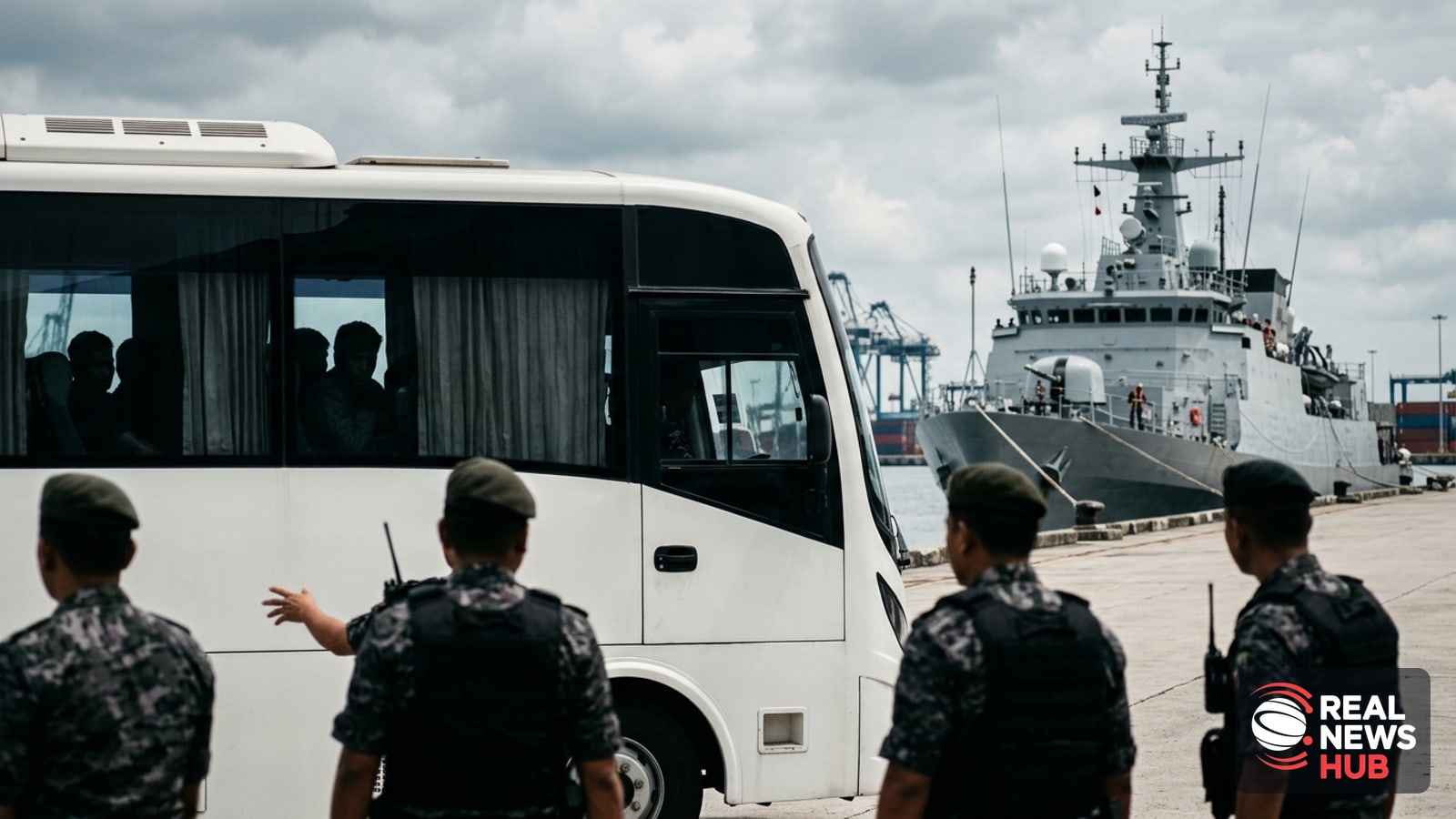
Malaysia has begun sending asylum seekers from Myanmar back to their home country under an agreement with Myanmar's military government, a move that human rights organizations warn could expose thousands of people to violence, persecution and forced military service.
Three vessels belonging to the Myanmar navy left Malaysian waters on Tuesday carrying the first group of 1,476 returnees, part of an arrangement covering roughly 5,000 people in total, according to BBC News.
Malaysian authorities have described participation in the program as voluntary, but they have kept the returnees in detention facilities and denied the United Nations refugee agency access to interview or screen them before departure, the BBC reported.
Malaysian Prime Minister Anwar Ibrahim has said the decision reflects rising public frustration in Malaysia over the large number of Rohingya Muslims living in the country, and that he had little choice but to negotiate their return with Myanmar's military leader, Min Aung Hlaing, the broadcaster said. It remains unclear whether Rohingya individuals, who are not granted citizenship in Myanmar, were among those sent back in this first shipment.
More than a million Rohingya have fled Myanmar following military campaigns that the United Nations has said may amount to genocide, according to the BBC.
The repatriation marks a notable reversal for Anwar, who has long portrayed himself as an advocate for human rights and previously refused to formally recognize Min Aung Hlaing's government while calling for greater protection of Rohingya refugees, the report noted.
Analysts cited by the BBC point to two main drivers behind the change: economic hardship among lower-income Malaysians since the pandemic, which has fueled resentment toward Rohingya migrants, and volatile domestic politics since 2018, when the long-dominant United Malays National Organisation lost power, ushering in a series of fragile coalition governments.
Public sympathy for Rohingya refugees, many of whom arrived in Malaysia after fleeing violence in Myanmar's Rakhine State starting in 2017, began softening during the pandemic amid economic strain and viral misinformation, according to the BBC. Similar tensions resurfaced this year after an online dispute over waste disposal during a religious holiday spiraled into a broader social media campaign against Rohingya communities, culminating in a petition with hundreds of thousands of signatures calling for their removal from the country.
Anwar has said Rohingya detainees should not be mistreated, but has also described the population as having become a security, economic and social burden for Malaysia, according to the BBC. Critics, including a former head of Malaysia's Anti-Corruption Commission, have accused him of abandoning his earlier commitment to human rights principles.
Observers quoted by the BBC say Anwar is under significant political pressure, having seen his popularity decline and his coalition partners push for tougher policies ahead of a general election due by early 2028.
Rights groups have raised concerns about the practicality and safety of the plan, noting that Rohingya individuals typically lack the legal documentation needed to enter Myanmar and are restricted to living in Rakhine State, much of which is now controlled by an armed insurgent group and subject to ongoing military airstrikes, the BBC reported. Advocates also warn that men among the returnees could be forced into Myanmar's army amid its ongoing civil conflict.
Neither the Malaysian nor Myanmar governments have detailed how these obstacles will be addressed or how the repatriation aligns with humanitarian standards, according to the BBC.
Source & verification
DevelopingReported from World News.
Get breaking news alerts and the Morning Briefing
Verified stories in your inbox, every one linked to its sources. All newsletters →