

Malaysia begins sending back Rohingya refugees despite safety warnings
About 1,500 refugees are to be sent back in the first phase, despite criticism from rights groups.
REALNEWS HUB Newsroom
Sep 29, 2026, 13:41 UTC
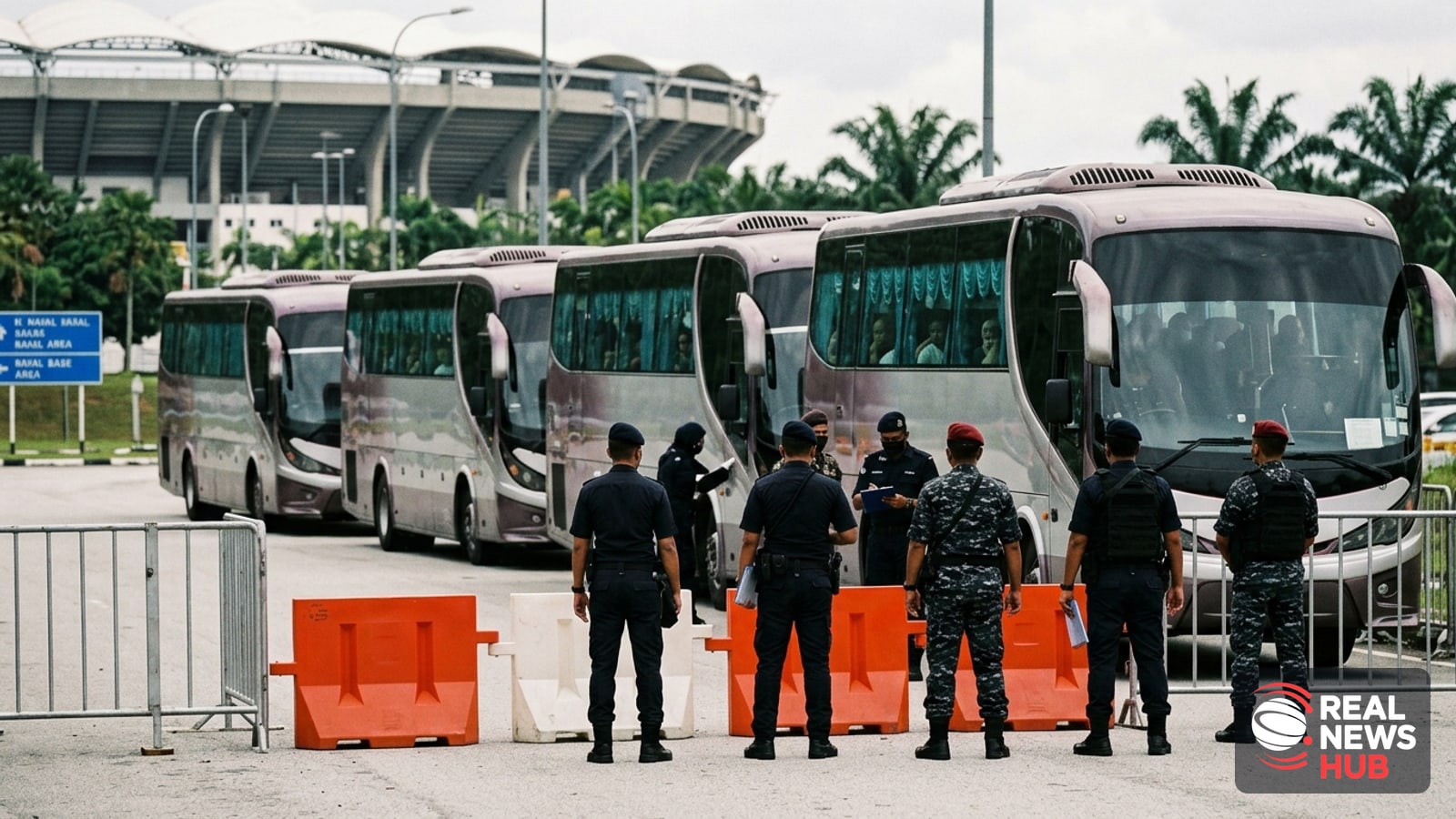
Malaysia has started returning close to 1,500 Rohingya refugees to Myanmar, calling the move voluntary even as the United Nations and several human rights organizations caution that conditions inside Myanmar remain unsafe for them, according to Aljazeera English.
A convoy of buses, escorted by police, pulled into a stadium close to the Lumut naval facility in northwestern Malaysia on Tuesday, the AFP news agency reported. Reporters were kept away from the site. Officials said the group would go through processing steps there before being moved to the naval base and eventually shipped to Myanmar.
Myanmar's military has a long record of violent campaigns against the Rohingya minority, most notably a 2017 offensive that many human rights groups have characterized as genocide. That crackdown triggered a massive exodus, pushing hundreds of thousands of Rohingya into Bangladesh, Malaysia, India and other nearby countries. Myanmar's government still refuses to recognize the Rohingya as a native ethnic group, instead labeling them "Bengalis," a term implying they are migrants from Bangladesh.
Malaysia was home to more than 126,000 registered Rohingya refugees as of February this year, according to Aljazeera. Bangladesh shelters the largest number worldwide, exceeding 1.2 million people.
Malaysian Prime Minister Anwar Ibrahim announced in July that Myanmar had agreed to accept 5,000 returning Rohingya, though it remains unclear exactly how that group is being chosen. The nearly 1,500 people repatriated this week make up part of that broader total. Malaysia's Ministry of Home Affairs said two naval vessels along with a hospital ship from Myanmar would carry out the transport.
The UN refugee agency, UNHCR, said it played no part in organizing the operation and stressed that ongoing violence and instability in Myanmar mean the country cannot currently guarantee safe, dignified conditions for returnees. The agency told Reuters that any refugee's return must be voluntary, made with full information, and carried out safely. Malaysia's Home Ministry did not respond directly to that warning, pointing instead to its earlier statement affirming the returns are voluntary.
Advocacy groups have questioned how people held in detention facilities can genuinely consent to repatriation. Nay San Lwin, co-chair of the Arakan Rohingya National Council, told Aljazeera that the persecution facing Rohingya in Myanmar has never ended and described the transfers as sending people into danger rather than home. He noted that fighting continues between Myanmar's military and the Arakan Army, leaving Rohingya caught between two sides accused of committing abuses.
Ro Mayyu Islam, who leads the Center for Rohingya Crisis Studies in Cox's Bazar, Bangladesh, also spoke out against the current repatriation effort, telling Aljazeera that relocating people from Malaysian detention centers to Myanmar does not fix the underlying crisis. He said Rohingya are seeking citizenship, safety and dignity, not merely a change in location.
Doctors Without Borders has called on Malaysia to pause the returns and publicly explain who is being sent back and what dangers each person may face. More than 160 civil society groups have likewise urged a halt, warning of continued violence and the possibility that returnees could be forced into armed factions.
Myanmar's government has pledged that returns will be handled safely, though accounts from people already back in the country raise doubts. A 25-year-old man named Ismail told AFP he left a job at a Malaysian fish market amid growing hostility and arrests targeting Rohingya, and is now unemployed in Yangon, depending on relatives for support since he still lacks full citizenship. A Rohingya activist in Rakhine state identified only as Mohammad said he worries returnees may end up in displacement camps in an area still gripped by conflict and disease.
The repatriations come after mounting pressure on Rohingya communities in Malaysia. In July, more than 100 people were detained after gathering outside the UNHCR office in Kuala Lumpur following an eviction from an informal settlement in Penang; they were released once officials confirmed they held UN documentation, AFP reported.
Malaysia has not signed the 1951 Refugee Convention and does not officially grant refugee status to those within its borders. Anwar has said he plans to invite Myanmar's Senior General Min Aung Hlaing, who oversaw the 2017 military crackdown, to visit Malaysia to help speed up the repatriation process.
Source & verification
DevelopingReported from Aljazeera English .