

US forces leave Iraq, raising fears of Iran-backed militias amid power vacuum
US forces are withdrawing from their remaining bases in Iraq on Wednesday, completing a pullout agreed under former president Joe Biden as fears grow over the security vacuum it could leave. Iraqi officials and analysts warn the departure could embolden Iran-backed militias and give Islamic State fighters room to rebuild their capabilities.
REALNEWS HUB Newsroom
Sep 30, 2026, 02:11 UTC
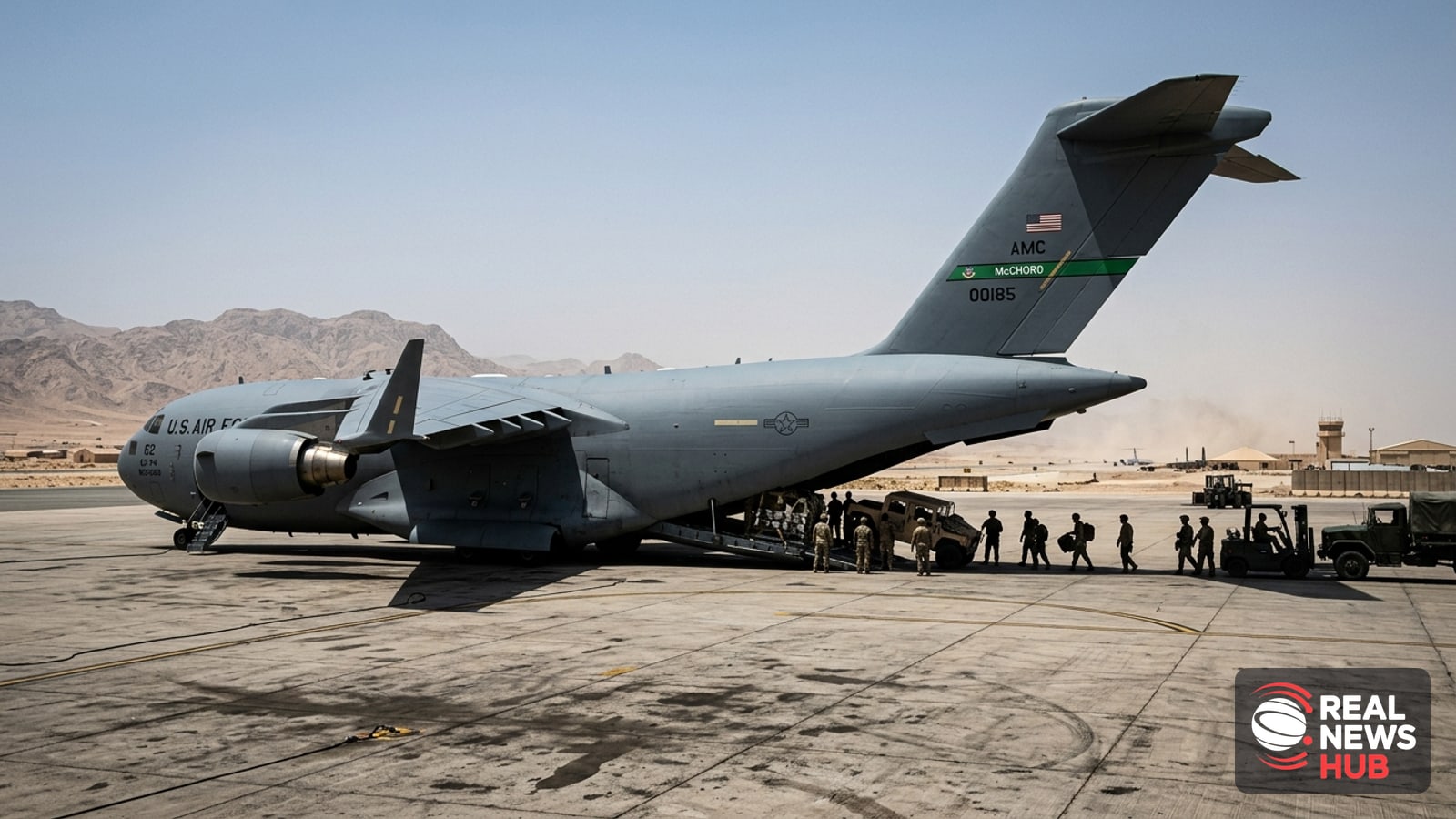
American troops are completing their final withdrawal from Iraqi military installations, finalizing an exit timeline established two years ago. The move concludes an extensive military presence but has triggered substantial anxiety among observers and defense personnel regarding an emerging security deficit.
The strategic pullout was initially negotiated in 2024 during the administration of former President Joe Biden and has been finalized under President Donald Trump. While the removal of foreign forces has long garnered broad backing across Iraqi society, defense analysts and local officials caution that the country's armed units may struggle to maintain stability without allied support. Concerns center primarily on the potential resurgence of Islamic State remnants and the growing leverage of local militias supported by Iran.
Tehran and its regional partners have framed the departure as a landmark geopolitical achievement. Observers note that the principal danger may not stem from direct conventional aggression by Iran, but rather through proxy organizations exploiting the absence of Western troops to entrench themselves inside state departments and guide sovereign policy decisions.
Simultaneously, defense figures in both Baghdad and the northern Kurdish enclave fear the drawdown will provide operational breathing room for Islamic State sleeper networks. During their peak operations a decade ago, the extremist faction held nearly a third of Iraqi sovereign territory. Although their territorial hold was eliminated in late 2017, covert operational nodes persist across the nation.
Up to their scheduled departure, American units provided crucial support to local security apparatuses, notably offering aerial surveillance, persistent reconnaissance, and actionable intelligence tracking militant concentrations. Defense experts have openly questioned whether national forces possess an adequate secondary strategy to compensate for these lost capabilities, highlighting severe vulnerabilities in local air defense systems should insurgents employ improvised drone tactics.
The formal drawdown concludes a military engagement that began with the 2003 coalition invasion to depose Saddam Hussein. Following an initial exit in 2011, American forces were redeployed to the country in 2014 to assist local troops in combating the Islamic State. More than 4,500 American service members have lost their lives in Iraq across more than two decades of operations, including seven personnel who died during hostilities earlier this year.
Source & verification
VerifiedReported from France 24 Middle East.