

Senate Democrats block datacenter energy bill, saying ‘toothless’ legislation ‘misses the mark’
Republicans supported legislation although Democrats said it wouldn’t effectively address energy consumption Senate Democrats on Wednesday blocked legislation intended to offset the impact of datacenters on consumer electricity bills, calling it a “toothless” attempt to address a top voter concern ahead of November’s midterm elections. The Ratepayer Protection Act failed by a 57 to 43 vote, falling just shy of the 60 votes necessary to advance through the Republican-controlled chamber. Four Democrats – Maggie Hassan of New Hampshire, Amy Klobuchar of Minnesota and both Georgia senators, Jon Ossoff and Raphael Warnock – joined Republicans in support of the measure. Continue reading...
REALNEWS HUB Newsroom
Sep 30, 2026, 21:15 UTC
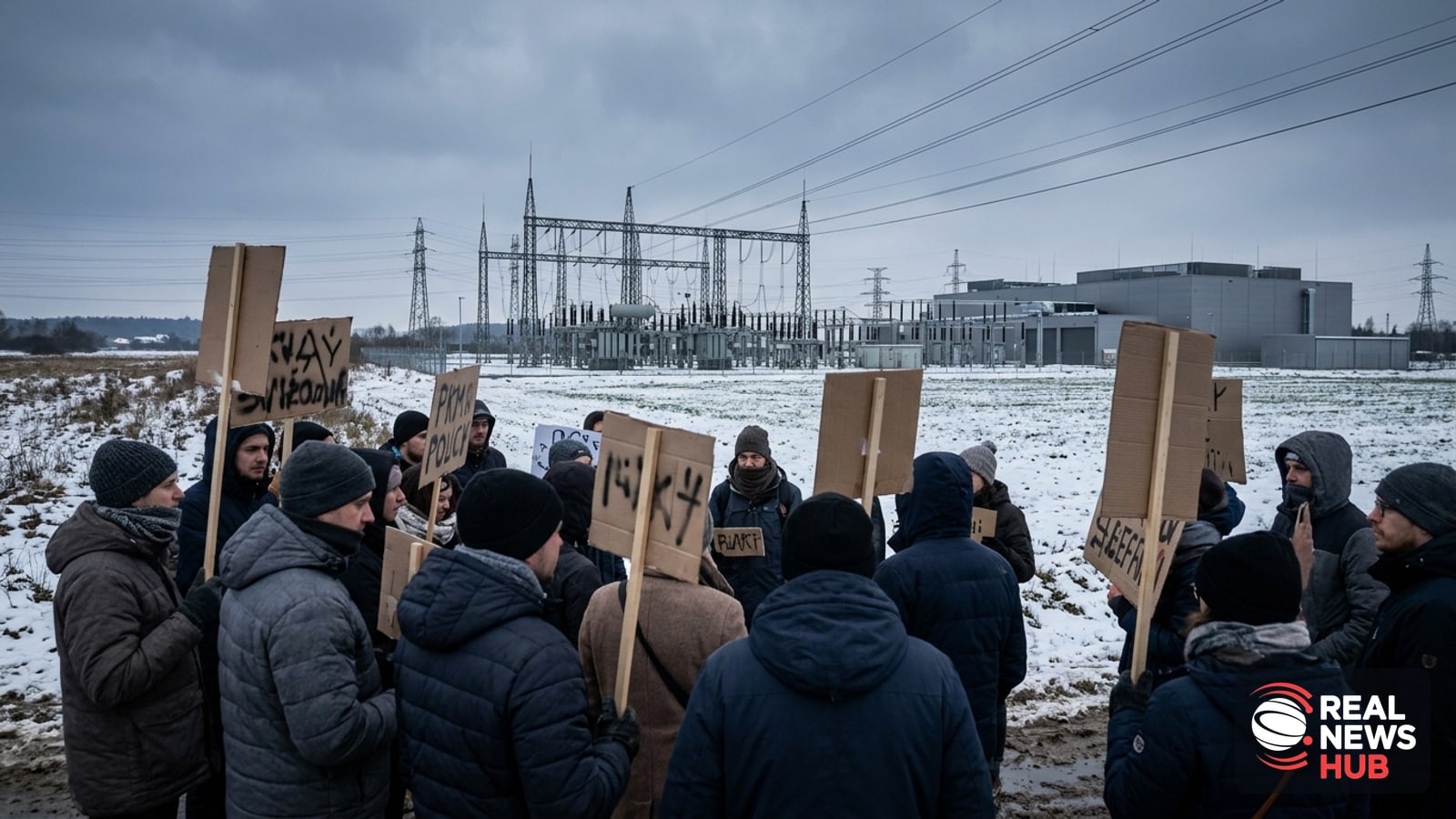
Senate Democrats on Wednesday blocked a legislative push aimed at shielding consumers from high electricity expenses driven by data centers. Opponents argued that the proposed measure was too weak to tackle the escalating power demands tied to modern computing infrastructure.
The legislation, titled the Ratepayer Protection Act, came up short of the 60-vote threshold needed to proceed in the Republican-led Senate, concluding with a 57-43 tally. Despite the broader party blockade, four Democratic lawmakers broke ranks to vote with Republicans: Amy Klobuchar of Minnesota, Maggie Hassan of New Hampshire, and Georgia senators Jon Ossoff and Raphael Warnock.
The procedural defeat occurred just weeks before the November midterm elections, where consumer costs have emerged as a dominant campaign issue. The measure previously sailed through the House of Representatives with overwhelming, nearly unanimous backing, but Democratic leaders in the Senate deemed it inadequate.
Under the terms of the legislation, power companies would have been instructed to evaluate new guidelines ensuring that technology facilities cover their own grid infrastructure upgrades. Without such mechanisms, the financial burden of upgrading generation, distribution, and transmission systems can be shifted onto ordinary households and commercial ratepayers. Rapid expansion in artificial intelligence and computing facilities has heightened public worry over rising utility bills across the country.
Senate Democratic Leader Chuck Schumer criticized the proposal during floor debate, saying the public wants genuine protections and clear rules for artificial intelligence rather than what he described as a toothless initiative. Schumer also targeted the White House following a recent gathering between the president and major technology executives, rejecting voluntary agreements and self-regulation as viable solutions to the industry's energy footprint.
The bill was championed in the Senate by Ohio Republican Jon Husted, who argued on the floor that technology corporations must finance their own infrastructure rather than offloading expenses onto local neighborhoods. The president had signaled an intention to sign the measure into law if it reached his desk.
Husted, who is facing a difficult re-election contest against former Democratic senator Sherrod Brown, has encountered scrutiny over tech sector influence during his campaign. Representative Gabe Evans, a Colorado Republican who also faces a competitive re-election fight, had sponsored the bill in the House.
While opposing the legislation posed political complications for Democrats campaigning to reduce living costs, party leadership maintained that the bill lacked the necessary regulatory force to meaningfully lower power rates or restrict energy usage.
Wednesday's roll call represents one of the final legislative actions before the Senate wraps up business on Friday, after which lawmakers will depart Washington to campaign ahead of the November 3 midterms.
Source & verification
VerifiedReported from Guardian US Midterms 2026.
Get breaking news alerts and the Morning Briefing
Verified stories in your inbox, every one linked to its sources. All newsletters →