

Burnham vows to end existing pension triple lock in 2030 to help fund care
The PM was at times emotional during his conference speech in which he outlined his long-term plan for the UK.
REALNEWS HUB Newsroom
Sep 30, 2026, 02:46 UTC
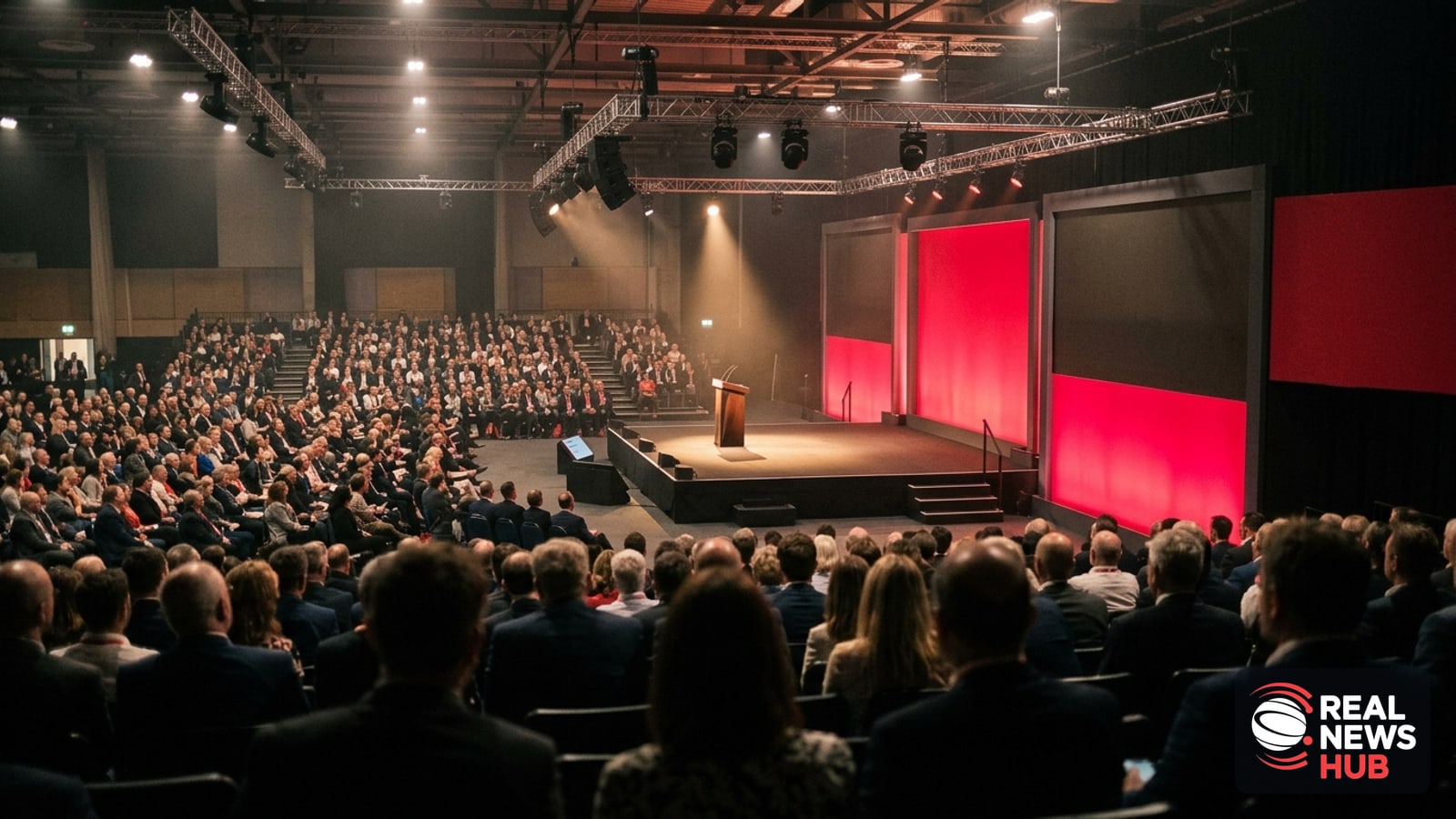
Prime Minister Andy Burnham has announced intention to end the current state pension triple lock formula starting in 2030, proposing to redirect the resulting financial savings into establishing a universal national care service across England.
Delivering his maiden address to the Labour Party conference as prime minister in Liverpool, Burnham outlined a series of long-range domestic proposals. Under his proposed pension adjustment, annual state pension increases would still match price inflation or 2.5%, but the automatic guarantee linking increases directly to average earnings growth each year would be eliminated.
The existing triple lock, originally enacted by the coalition government in 2010, ensures pensions rise annually by whichever rate is highest among inflation, average wage growth, or 2.5%. Burnham said the mechanism would remain untouched until 2030 before undergoing revision. Government officials estimate that the proposed change could yield approximately £15 billion annually by 2040, providing resources to establish free care services at the point of need.
Burnham acknowledged the political sensitivity of the move, noting that he anticipated paying a political price but insisted decisive action was required to overhaul elder care. During an address that lasted over an hour, he grew visibly emotional when discussing his late father, Roy, and shared his family's distressing experiences with the social care system. He argued that a national care structure would hold historical importance comparable to the founding of the National Health Service.
The announcement drew sharp scrutiny from policy specialists and political opponents. Jonathan Cribb, deputy director at the Institute for Fiscal Studies, noted that while the shift would save money over time, initial returns would be relatively modest and unlikely to cover universal social care during the upcoming parliament. Trade union leadership also expressed discontent, with Unite general secretary Sharon Graham stating to the BBC that the administration should have explored alternative funding sources, such as taxing extreme wealth, instead of altering pensions.
Opposition leaders quickly condemned the strategy. Conservative Party leader Kemi Badenoch warned the policy would inevitably lead to broader tax hikes, while Reform UK leader Nigel Farage argued the policy targeted older citizens. Liberal Democrat leader Sir Ed Davey insisted care funding should not be extracted from low-income pensioners, and Green Party leader Zack Polanski dismissed the prime minister's address as incremental policy adjustments.
Beyond pensions and social care, Burnham used his conference speech to advocate for broader structural reforms across public infrastructure. He pledged legislation to lift historical restrictions on the public ownership of water suppliers, outlined measures permitting local councils to acquire substandard private rental properties, and announced a cross-party commission to evaluate reforming the parliamentary voting system ahead of the next national election. He also stated that leaving the European Union had caused more harm than benefit, signaling plans to explore closer ties with European partners.
Source & verification
VerifiedReported from Business.