

Ethiopia: No regard for civilians as fighting in Ethiopia's Tigray region continues
Fighting has returned to northern Ethiopia, shattering a fragile peace in the region. DW spoke to civilians caught in the crossfire amid communication blackouts, as rebel and federal forces keep battling for territory.
REALNEWS HUB Newsroom
Sep 29, 2026, 19:48 UTC
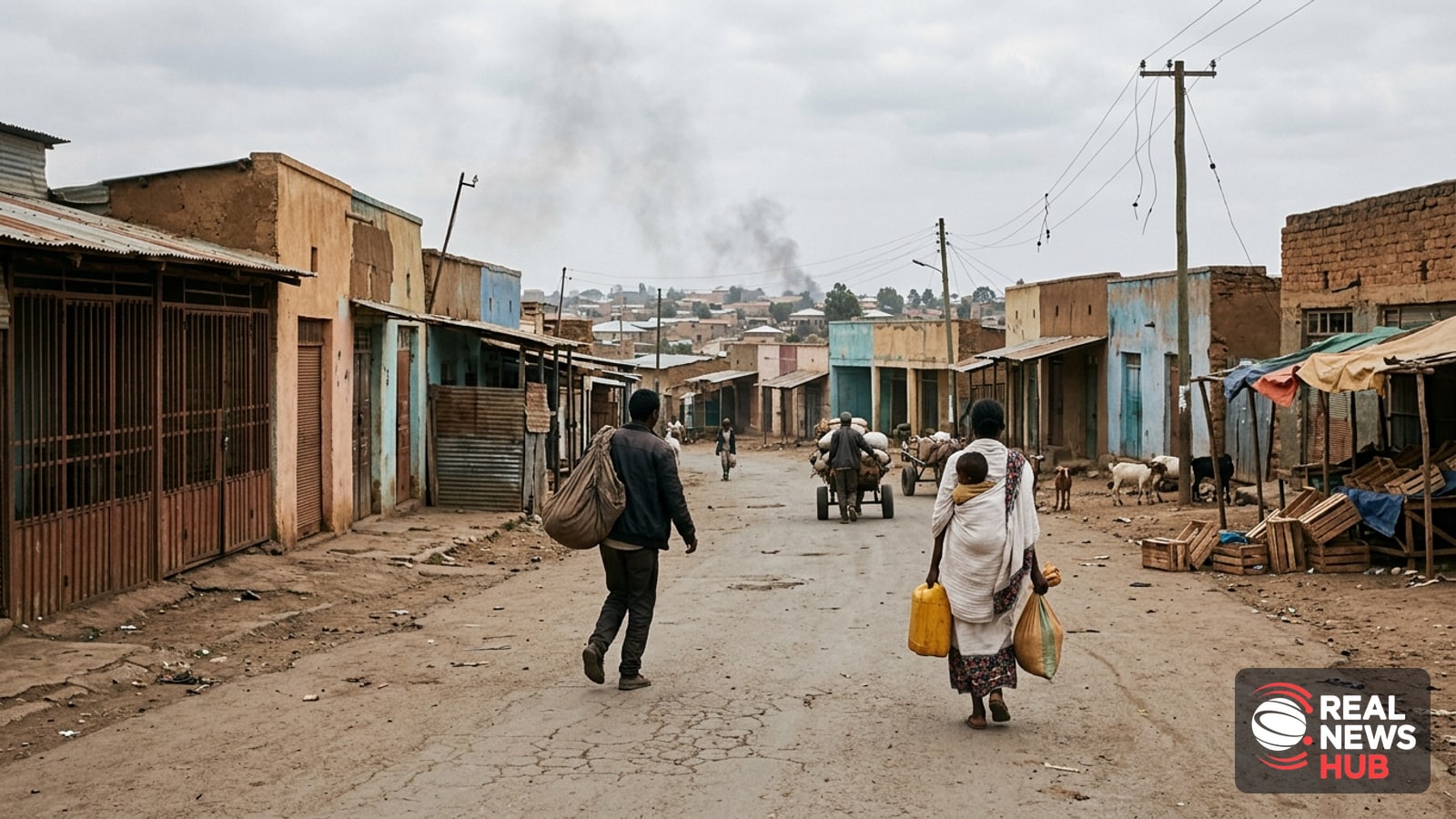
Renewed fighting in northern Ethiopia has left civilians exposed to shelling, blocked medical care and disrupted supply lines, according to accounts gathered by DW from residents in the Tigray region.
A 22-year-old woman from the town of Selenwuha told DW that six of her family members had died after heavy weapons struck homes where relatives were sheltering. She said survivors, including the wounded, remained trapped in their houses with no way to reach medical treatment, as the nearest facility is located far away.
The renewed violence has hit the border area between Tigray and Amhara particularly hard, with residents reporting several deadly incidents in recent days, including civilians killed by artillery fire, DW reported. Communication networks across the region remain largely down, making it difficult to independently confirm the scale of the damage.
The military picture on the ground is unclear, with both Tigrayan and federal Ethiopian forces claiming gains in different areas. A source inside Tigray told DW that the Ethiopian National Defense Force continues to push toward the regional capital, Mekelle, while Tigrayan fighters are working to hold on to the towns of Mekoni and Maychew further south. Pro-government militias and aligned media have said federal troops took the town of Alamata on September 27, a development also logged by the conflict-tracking group ACLED. Alamata sits on a major highway roughly 120 kilometers from Mekelle and repeatedly changed hands during Ethiopia's 2020-2022 civil war.
Residents of Alamata told DW that federal forces deliberately targeted civilians there. One 40-year-old resident said local militia members described the shelling as retaliation against the town's population. A 45-year-old resident said he believed the attack was timed to coincide with a Saturday market to inflict maximum casualties, telling DW that 11 people were killed and 15 injured in the incident. DW said it could not independently verify these accounts, and an ENDF spokesperson did not respond to a request for comment.
The current round of fighting began on September 23, when Tigrayan forces took control of airports in Mekelle, Aksum and Shire. Days earlier, the Tigray People's Liberation Front and six other armed groups had formed a new alliance against the government of Prime Minister Abiy Ahmed, joined notably by the Amhara Fano National Movement, a former ally of federal forces during the earlier war. The federal government and Tigrayan forces have each blamed the other for starting the latest escalation.
The fighting follows the collapse of a fragile truce reached under the 2022 Pretoria Agreement, which ended a war that killed an estimated 162,000 to 600,000 people, according to varying estimates cited by DW. Key elements of that agreement, including the return of displaced residents and full disarmament of Tigrayan forces, were never carried out. An internal power struggle within the TPLF, the reinstatement of Tigray's pre-war regional council and the party's exclusion from national elections in June further strained relations with Addis Ababa before clashes resumed in August.
Humanitarian access remains extremely limited. The International Committee of the Red Cross has evacuated only around 160 people from Tigray, including federal police, airline staff and African Union monitors, DW reported. Ethiopian lawyer Amdegebreal Admassu told DW he had received reports of hospitals, schools and religious sites being hit, which he said could amount to war crimes under international and domestic law. Mebrihi Birhane of Human Rights First Ethiopia said armed groups on all sides have an obligation to preserve civilians' access to essential services.
Prices for basic goods such as flour have risen sharply as supply routes are cut off, affecting even communities previously untouched by direct combat, according to local journalists cited by DW. Reports also indicate Tigrayan forces have pushed into the neighboring Afar region near Erebti, a move analysts say could threaten a key trade corridor central to Ethiopia's economy, raising fears the conflict may widen further.
Source & verification
DevelopingReported from DW World.