

Ethiopia fighting: Are Tigray's TPLF forces and the army heading back to war?
Exploring the issues behind the escalation of tensions between the TPLF and the national army.
REALNEWS HUB Newsroom
Sep 26, 2026, 03:48 UTC
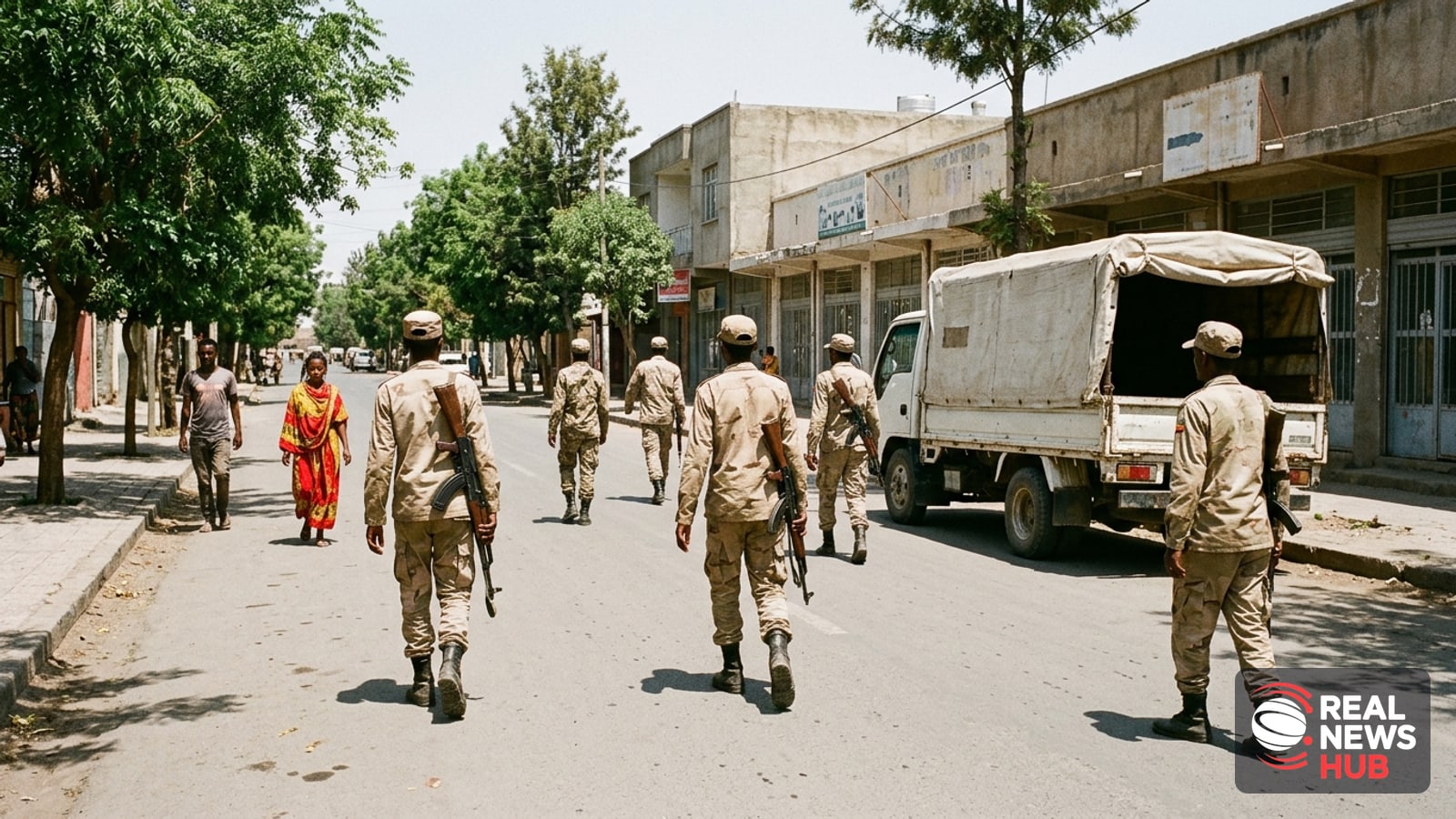
Fears of a return to full-scale war are mounting in Ethiopia's northern Tigray region after clashes broke out this week between regional forces and the national army, according to BBC News.
Residents of Tigray, still recovering from a devastating two-year civil war that ended in 2022, have reportedly begun stockpiling food amid worries that the recent skirmishes could spiral into a wider confrontation. The BBC reports that internet and phone networks have also been disrupted, cutting many people off from digital banking services in a region that had already become largely reliant on cashless transactions after ATMs stopped functioning months earlier.
The latest violence follows more than half a year of deteriorating relations between the federal government in Addis Ababa and the Tigray People's Liberation Front, the party governing Tigray, the BBC reports. Although the African Union brokered the Pretoria Agreement nearly four years ago to end the previous war, several disputes were never resolved, and tensions have built steadily throughout the year as both sides mobilized troops and traded accusations. This week, fighting intensified and spread beyond Tigray into the neighboring Afar and Amhara regions. The TPLF says it acted in response to a federal assault that included drone strikes, while the government claims Tigrayan forces struck first by seizing airports inside Tigray, according to the BBC.
The TPLF has deep roots in Ethiopian politics, having emerged as an armed movement in the 1970s and later playing a central role in toppling the country's Marxist government in 1991, the BBC notes. It went on to dominate the coalition that ruled Ethiopia for nearly three decades, despite Tigrayans making up only about 6% of the national population. That influence waned sharply after Abiy Ahmed became prime minister in 2018 and dissolved the ruling coalition, a shift that eventually helped trigger the 2020-2022 war, a conflict the African Union's mediator estimated killed roughly 600,000 people.
According to the BBC, the fragile peace since then has been undermined by four major unresolved issues. Two involve the western Tigray territory, which Amhara forces captured early in the war and which many in Amhara believe was wrongly assigned to Tigray decades ago; the TPLF wants the land and its displaced Tigrayan residents returned, while the government insists the matter should be settled by referendum. A third dispute concerns disarmament, with the government accusing the TPLF of concealing weapons. The fourth centers on governance, after the TPLF disbanded an Addis Ababa-appointed interim administration earlier this year and reinstated its own pre-war leadership, disrupting civil servant pay and public services.
The TPLF's position has shifted in recent weeks with the formation of the Alliance for Survival, a coalition of seven armed groups that includes Amhara's Fano militia and the Oromo Liberation Army, the BBC reports. Despite deep disagreements among its members, including over western Tigray, the alliance is united by a shared goal of removing Abiy's government, though analysts cited by the BBC caution that such a coalition of competing interests may be hard to sustain.
The government has accused the new alliance of seeking to destabilize the country and has also alleged that Eritrea is backing armed groups within Ethiopia, a charge Asmara denies, according to the BBC. Ethiopia and Eritrea, allies during the last war, have since fallen out over access to the Red Sea, with Abiy reportedly pushing for control of Eritrea's port of Assab and suggesting he could pursue it by force.
The BBC also reports that federal drone strikes have hit Tigrayan towns, with officials saying some targeted schools had been used as military bases, while there are separate accounts of the TPLF forcibly recruiting young men.
The African Union has urged an immediate halt to hostilities and a resumption of direct talks, appointing former Nigerian President Olusegun Obasanjo to mediate, while the United Nations and the regional body Igad have issued similar appeals, the BBC says. However, with trust between Addis Ababa and Tigray severely eroded and the new armed alliance complicating the picture, there are concerns the conflict could spread further across Ethiopia's already unstable Amhara and Oromia regions.
Source & verification
DevelopingReported from BBC News.