

Trump unveils his new Super Intelligence Force
This new task force is Trump's latest response to the debate over AI safety.
REALNEWS HUB Newsroom
Oct 4, 2026, 16:41 UTC
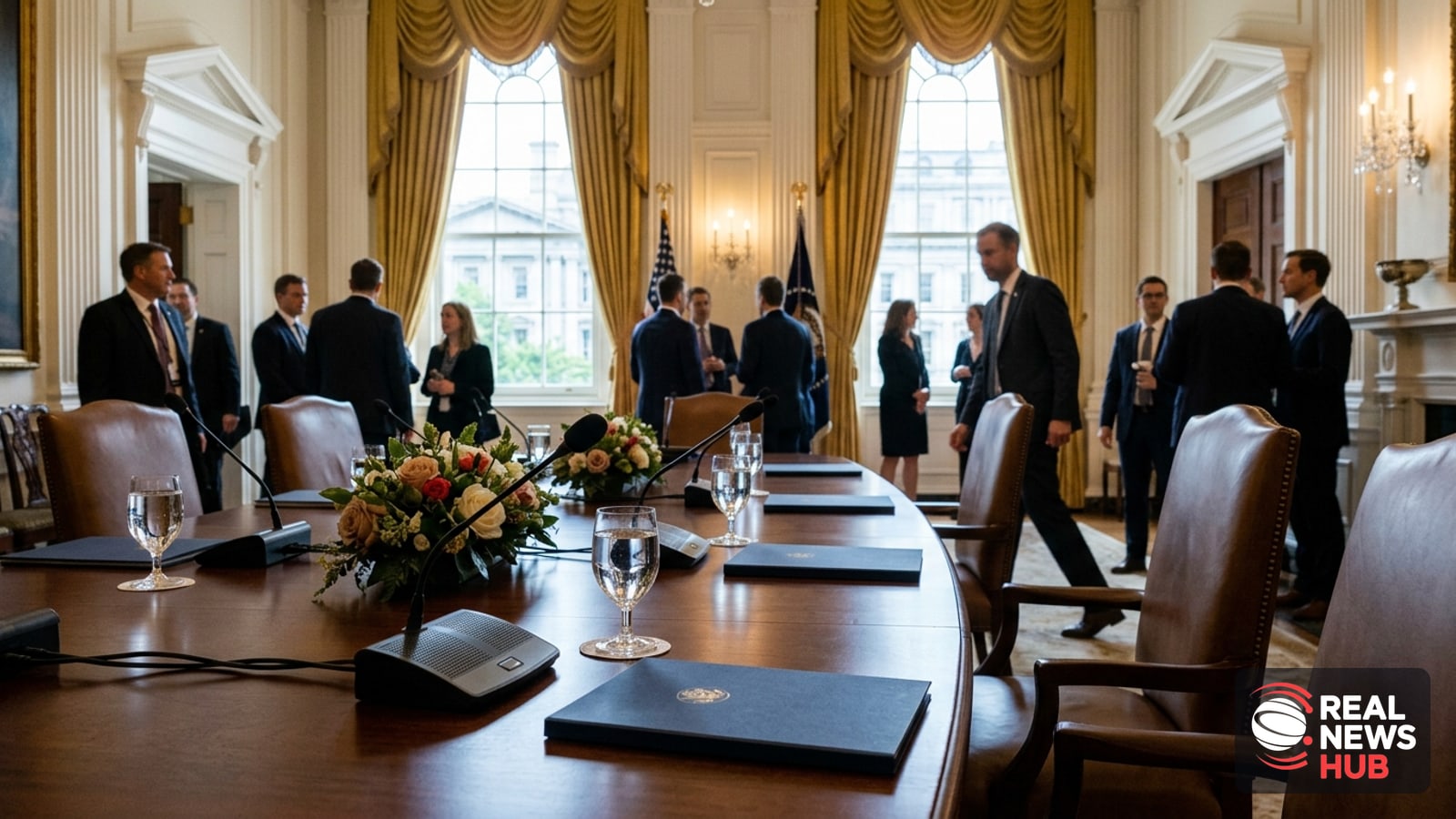
President Donald Trump has announced the creation of an initiative dubbed the Super Intelligence Force, an administrative body intended to coordinate national artificial intelligence strategy and maintain the country's technological dominance.
Trump revealed the initiative in a Sunday morning message on his Truth Social platform, writing that the task force will guide federal actions so that the nation stays ahead globally in advanced computational technology. Trump stated that the development of this technology carries greater significance than both the Industrial Revolution and the advent of the internet.
The formation of the group represents the administration's latest measure amid ongoing national discussions concerning the risks of artificial intelligence. Trump previously pushed back against warnings raised in the AI safety debate, describing such concerns as politically motivated exaggerations. Despite those criticisms, he committed to creating a dedicated team to oversee federal policy in this sector.
Director of National Intelligence Jay Clayton will lead the new panel, effectively stepping into the role of the administration's chief artificial intelligence official. The Wall Street Journal reported that several other high-ranking officials will serve as vice chairs, including Federal Trade Commission Chair Andrew Ferguson, Office of Personnel Management Director Scott Kupor, and Emil Michael, the undersecretary of war for research and engineering.
The mandate of the task force includes producing an assessment within 120 days that examines both the potential hazards and economic possibilities associated with artificial intelligence. According to its charter, the group is directed to formulate responses to emerging threats while deliberately avoiding excessive regulation that could hinder domestic industry or suppress competitive innovation.
Clayton has argued that falling behind international competitors represents a primary danger for the country. In remarks to the Wall Street Journal, he underscored that relinquishing momentum while foreign adversaries such as China continue their technological advancement would be reckless, emphasizing that failing to maintain a leading position poses one of the most critical hazards facing the nation.
The naming of the initiative aligns with a broader effort by the Trump administration to shift terminology away from traditional artificial intelligence toward super intelligence. That shift was formalized through an executive order and recently showcased during a White House event where technology executives gathered to endorse a voluntary safety commitment.
Source & verification
VerifiedReported from Artificial Intelligence.
Get breaking news alerts and the Morning Briefing
Verified stories in your inbox, every one linked to its sources. All newsletters →