

New Supreme Court term begins with a climate change case seeking to hold energy companies liable
The justices return from summer break to hear arguments in Boulder, Colorado’s lawsuit against Exxon Mobil and Suncor Energy.
REALNEWS HUB Newsroom
Oct 5, 2026, 09:38 UTC
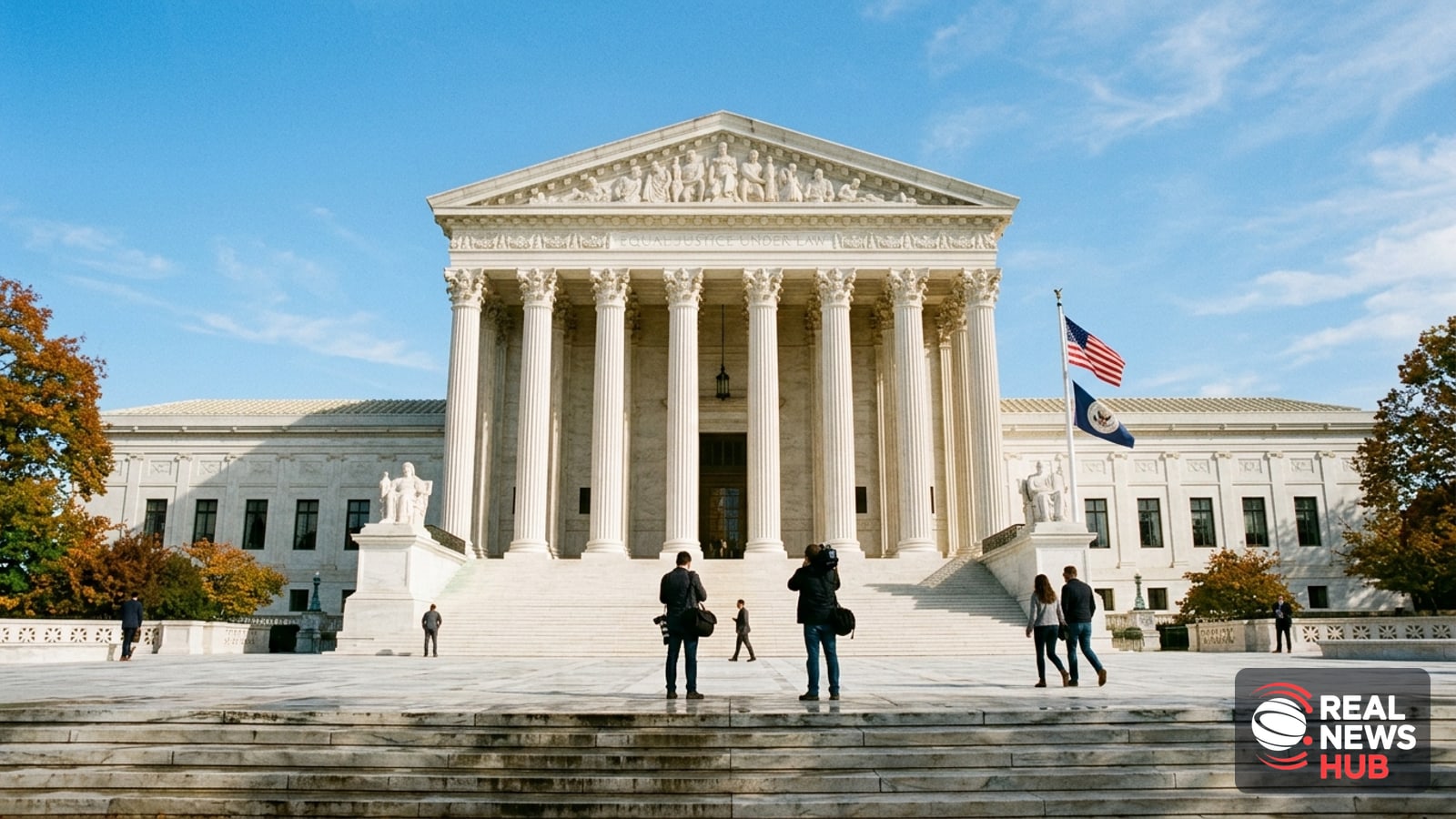
The U.S. Supreme Court commenced its new nine-month term on Monday by hearing arguments in a high-stakes climate liability dispute that could determine whether energy producers can be sued in state courts over global warming damages.
The case centers on a lawsuit initiated by the city and county of Boulder, Colorado, against fossil fuel producers Exxon Mobil and Suncor Energy. Municipal officials are attempting to use state consumer protection laws to make the companies pay for mounting local expenses tied to severe environmental effects, such as heightened wildfire mitigation efforts. The region has recently weathered intense heat waves, drought conditions, and destructive blazes, including the massive Aspen Acres Fire, which ranks among the largest wildfires in state history after consuming over 100,000 acres.
According to NBC News, the outcome of the dispute is expected to ripple across the legal system, potentially shaping the fate of more than two dozen similar lawsuits launched by local governments throughout the country.
Exxon Mobil and Suncor have asked the justices to dismiss the case before it advances to trial, warning that allowing such claims could leave the broader energy sector exposed to billions of dollars in devastating legal penalties. The companies maintain that global warming is a matter of nationwide and global significance that falls outside the jurisdiction of individual states. In filings submitted to the high court, defense attorneys asserted that states lack constitutional authority to oversee matters involving interstate emissions and that federal statutes like the Clean Air Act take precedence over state actions.
Attorneys representing Boulder countered that the case does not attempt to restrict pollution or govern out-of-state emissions directly. Instead, they argue it focuses strictly on alleged deceptive conduct regarding the environmental harms caused by the companies' products, a category of consumer fraud and product liability that local courts routinely manage.
The oral arguments went forward with an eight-member bench following a surprise recusal by Justice Samuel Alito announced the previous week. While Alito did not publicly state the reason for stepping aside, progressive organizations had pushed for his disqualification because of his investments in oil industry equities. His absence reduces the conservative majority on the bench and raises the likelihood of an evenly divided 4-4 vote, an outcome that would leave major constitutional questions unresolved while allowing the Colorado litigation to proceed.
The dispute is unfolding alongside extensive political contention over energy regulation, with the Trump administration filing supportive legal briefs on behalf of the oil companies. The case leads an active autumn docket that also includes legal challenges targeting semiautomatic firearms bans and federal immigration policies.
Source & verification
VerifiedReported from NBC News Politics.
Get breaking news alerts and the Morning Briefing
Verified stories in your inbox, every one linked to its sources. All newsletters →