

Houthi attack on Mecca, Medina would cross ‘red line’, Pakistan PM tells UN
REALNEWS HUB Newsroom
Sep 25, 2026, 23:05 UTC
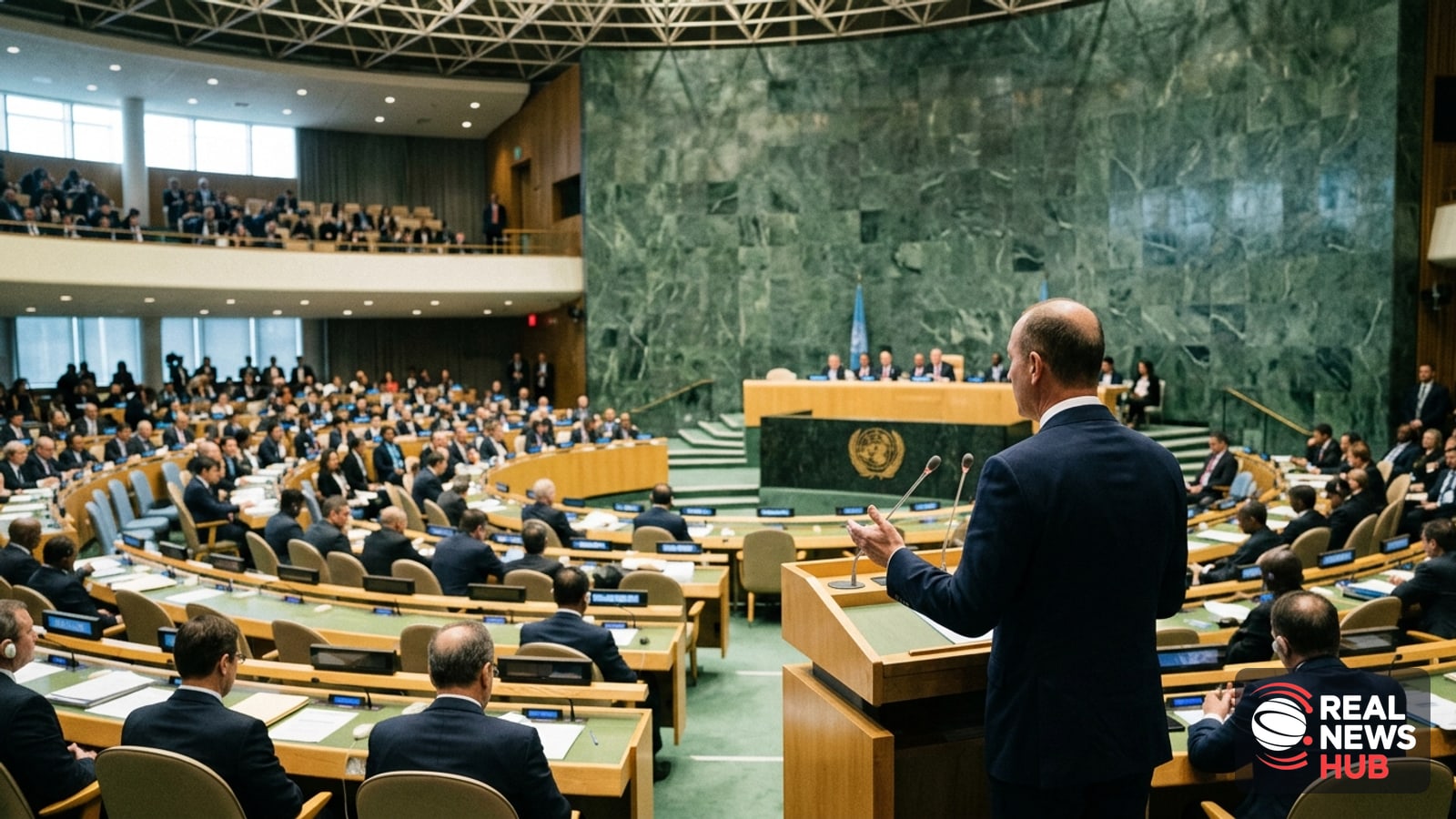
Pakistan's Prime Minister Shehbaz Sharif told the United Nations General Assembly on Friday that any assault on the sanctity of Mecca and Medina represents a "red line that must never be crossed," as he condemned recent Houthi strikes on Saudi Arabia, according to Al Jazeera.
Speaking in New York, Sharif described the attacks by the Iran-aligned Yemeni movement as "deplorable," saying they had angered Muslims worldwide. Saudi authorities have said the strikes were aimed at Mecca, a claim the Houthis have rejected, calling the allegation a "heinous lie," Al Jazeera reported.
The remarks come after Pakistan, Saudi Arabia and Turkiye signed a trilateral security arrangement last month known as the Mecca Joint Defence Agreement, under which an attack on one signatory would be regarded as an attack on all three nations. Despite the pact, both Pakistan and Turkiye have so far stayed out of the direct confrontation between Riyadh and the Houthis, the outlet noted.
On Friday, senior military officials from the three countries convened in Riyadh to discuss strengthening intelligence exchange and coordinating military efforts, Pakistan's armed forces said. The officials reviewed the security challenges confronting Saudi Arabia and reaffirmed their commitment to joint defense, pledging to convert the terms of the Mecca Agreement into practical cooperation, according to a statement from the Pakistani army cited by Al Jazeera.
The precise nature of any assistance Turkiye or Pakistan might extend to Saudi Arabia remains unclear. In written remarks published by Newsweek the same day, Turkish President Recep Tayyip Erdogan said backing could range from intelligence and logistics to ammunition, with the possibility of broader military support depending on how serious the threat becomes.
During his UN address, Sharif also touched on the US-Israeli military campaign against Iran that began in late February, referencing Pakistan's part as a co-mediator in efforts to defuse the conflict. Those diplomatic efforts produced the Islamabad Memorandum of Understanding, signed by American and Iranian officials, though the agreement has since fallen apart even as regional powers continue pushing for a lasting resolution to a war that has driven a global energy crisis and heightened instability across the Middle East, Al Jazeera reported.
Sharif said diplomacy must be pursued more forcefully even as fighting continues, and he called for the Strait of Hormuz, effectively blockaded by Iran, and the Bab al-Mandeb strait, largely under Houthi influence, to remain open and secure as vital corridors for global trade.
The Pakistani leader further criticized what he called Israel's "genocidal agenda" against Palestinians and condemned Israeli military action in Lebanon and Syria — positions similarly voiced earlier that day by Lebanese Prime Minister Nawaf Salam during his own UN remarks, according to Al Jazeera.
Turning to regional disputes closer to home, Sharif accused India of using shared river resources as a political tool, referring to the Indus water-sharing arrangement the two countries have maintained for more than 60 years. He warned that any effort to block, delay or redirect Pakistan's allocation of the water would be considered an act of war.
Sharif also urged a "just and fair solution" to the long-running Kashmir dispute, which both India and Pakistan claim in full, and accused unnamed actors of trying to alter the region's legal status through demographic changes, Al Jazeera reported.
He additionally raised concerns about the Tehrik-e-Taliban Pakistan, saying the group operates from hideouts inside Afghanistan with the goal of destabilizing Pakistan, and insisted cross-border attacks must stop. His comments followed fresh border clashes on Friday that reportedly killed several Afghan Taliban fighters, according to the report.
Source & verification
DevelopingReported from World News.