

‘We are desperate’: Venezuela’s power cuts fuel growing public anger
Frequent outages have fuelled protests against the government of interim Venezuelan President Delcy Rodriguez.
REALNEWS HUB Newsroom
Oct 6, 2026, 23:37 UTC
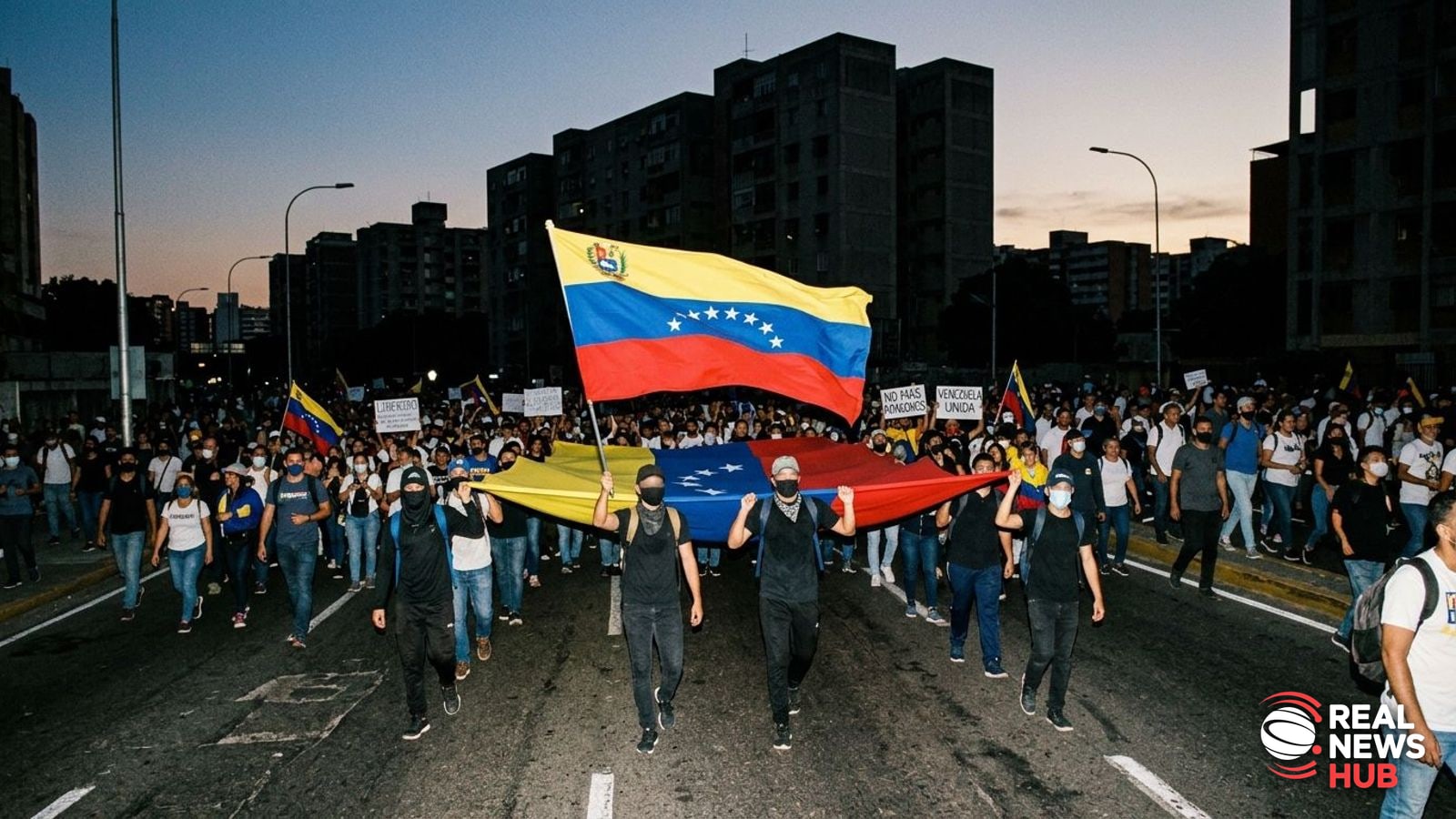
Widespread and severe electrical outages across Venezuela have sparked a wave of public demonstrations, heaping political pressure on the interim administration of President Delcy Rodriguez. The worsening blackouts have disrupted everyday life, halted commerce, and compromised vital healthcare services in multiple regions.
In response to the deteriorating electrical supply, citizens in cities such as Valencia and Maracaibo have taken to the streets. Protesters have staged traditional pot-banging rallies known as cacerolazos, blocked roadways, and set tyres ablaze. The public outcry follows months of scheduled power rationing and unannounced blackouts that routinely leave neighborhoods without lights, refrigeration, or running water for hours at a time.
A report by the consultancy ANOVA Policy Research revealed that nearly two out of three Venezuelan households, or 62.8 percent, suffered daily electrical cuts in 2026, marking a sharp increase from 37.1 percent in 2024. The research highlighted that merely 6.9 percent of homes maintained an uninterrupted flow of electricity.
The shortages have carried severe consequences for the medical sector. Patients requiring life-sustaining therapies, such as kidney dialysis, have faced repeated interruptions to their care as health clinics struggle with depleted backup batteries and broken generators. Extreme heat and lack of functioning air conditioning have compounded physical discomfort and mental strain for families across the nation. Small businesses, including neighborhood bakeries, have been forced to operate in the middle of the night just to utilize brief periods of grid activity.
While the Rodriguez government has linked the deficits to the El Nino weather pattern—noting that roughly 90 percent of domestic energy relies on hydropower vulnerable to drought—critics point to deep systemic problems. Energy analyst Nelson Hernandez explained to Al Jazeera that chronic underinvestment, aging infrastructure, and poor strategic planning are the core drivers of the collapse.
Furthermore, specialists contend that the strain on the public grid has been aggravated by a state push to revive oil extraction. Under policy shifts enacted after the detention of former president Nicolas Maduro, the interim government began welcoming foreign investment to ramp up petroleum output. According to data from OPEC, domestic oil production expanded nearly 30 percent between January and August, climbing from 924,000 to 1.2 million barrels daily.
Because energy-intensive oil extraction and refining require an estimated 1,600 megawatts or more and cannot easily endure rationing without sacrificing state revenue, experts argue that the electrical burden has been shifted directly onto private households and commercial establishments.
Authorities say they are moving to address the shortfall by aiming to add 1,300 megawatts of generation capacity before the end of the year. The government has also mandated that energy firms fund their own dedicated electrical systems to diminish pressure on the national network. Nevertheless, sector analysts maintain that resolving the crisis will demand far broader investments to rehabilitate decrepit power stations and build independent, renewable generation sources across the country.
Source & verification
DevelopingReported from Aljazeera English .
Get breaking news alerts and the Morning Briefing
Verified stories in your inbox, every one linked to its sources. All newsletters →