

Tensions exposed among Greens by 'Zionism is racism' conference vote
What may be troubling for the Greens institutionally is what this episode reveals about some of the dynamics in the party.
REALNEWS HUB Newsroom
Oct 5, 2026, 16:39 UTC
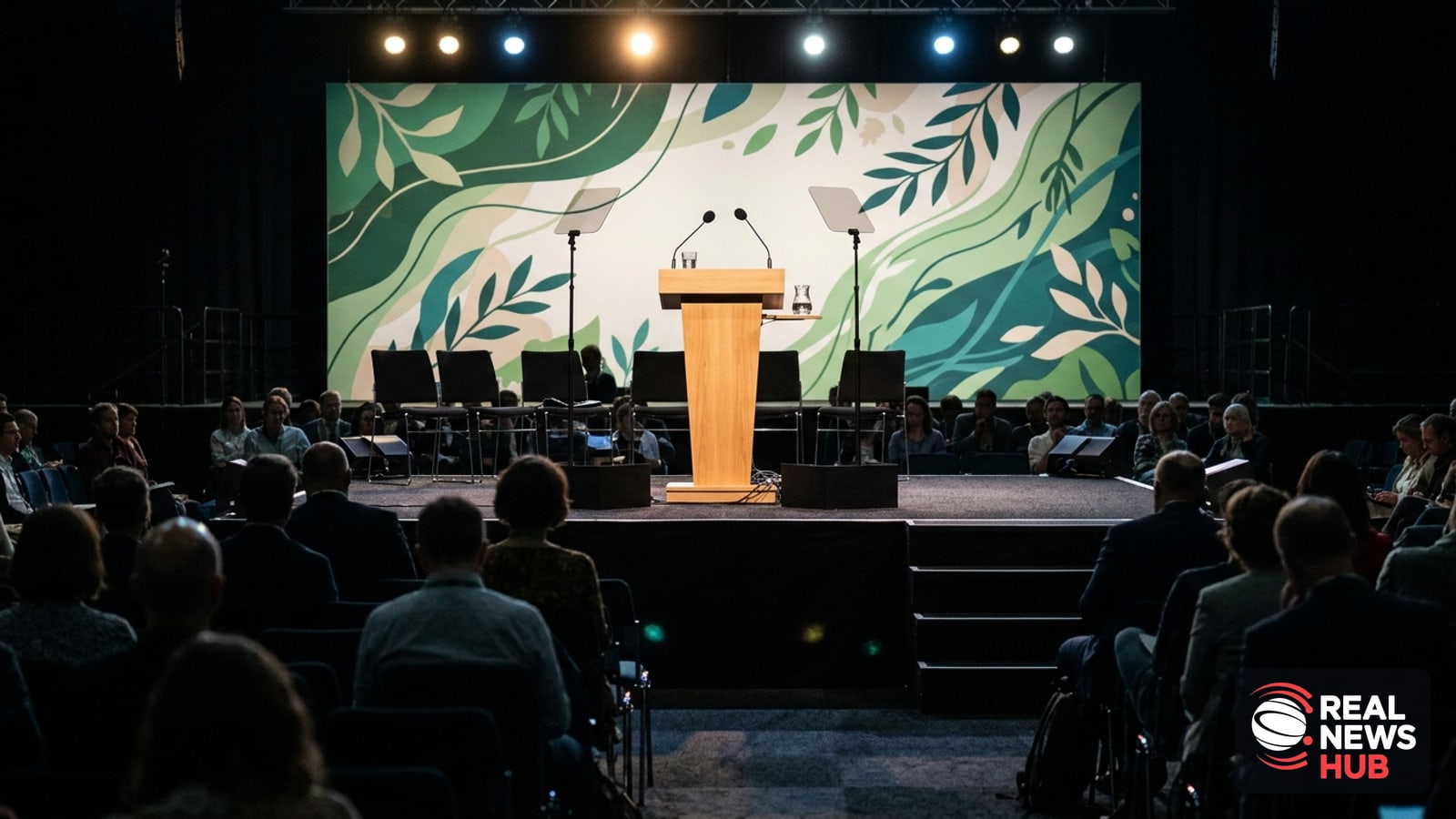
Internal divisions within the Green Party of England and Wales have been brought to the fore after party members backed a contentious conference motion defining Zionism as racism. The decision has triggered international condemnation, including an entry ban imposed on the party's leader by Israeli authorities, while highlighting sharp differences between grassroots activists and elected representatives.
Israel's foreign ministry announced it would prohibit Green Party leader Zack Polanski from travelling to the country following the vote on Sunday. The resolution passed by the membership labelled Zionism an ideology backing "an ethnonationalist Jewish state" and advocated for a single democratic Palestinian state across historic Palestine, according to BBC News.
The outcome has exposed significant friction between the party's membership and its leadership in parliament. Four of the Greens' five members of parliament resisted the text, with Waveney Valley MP Adrian Ramsay, a former co-leader of the party, serving as the most prominent voice against it. Polanski himself attempted to alter the wording prior to the conference, but his proposed changes were turned down by attendees, leading him to abstain from both the debate and the final ballot.
The dispute reflects an evolving political identity within the Green base since Polanski took over the leadership last autumn. Grassroots membership has increasingly broadened beyond traditional environmental campaigning into left-populist causes and anti-imperialist foreign policy, an outlook that contributed to recent electoral advances amid vocal criticism of the war in Gaza. However, the conference outcome also showed that Polanski does not command complete sway over the activist wing that supported his rise to power.
The chair of the Jewish Greens has indicated she might resign from the party as a consequence of the vote. Despite the policy shift, the Green Party does not enforce a parliamentary whipping structure, meaning its MPs and hundreds of local councillors across nearly 40 administrations remain free to take contrasting stances from conference declarations without official sanction.
The international backlash has reverberated across British politics. Senior Labour figures sharply denounced the move, with Labour chair Bridget Phillipson describing the resolution as shameful and fundamentally wrong, while Communities Secretary Angela Rayner stated that the decision crossed an unacceptable boundary.
The controversy may also complicate broader constitutional debates. Prime Minister Andy Burnham recently unveiled plans for a national commission to examine electoral reform ahead of the next general election. While a proportional voting system would likely increase Green representation and potentially form a collaborative progressive bloc in a hung parliament, the latest dispute has handed ammunition to Labour factions resisting electoral changes that could bolster the Greens' national influence.
Source & verification
VerifiedReported from BBC News.
Get breaking news alerts and the Morning Briefing
Verified stories in your inbox, every one linked to its sources. All newsletters →