

Polls close in Brazil as Lula and Flávio Bolsonaro remain neck and neck
If no candidate gets more than 50% of the vote, the election will go to a run-off on 25 October.
REALNEWS HUB Newsroom
Oct 5, 2026, 10:18 UTC
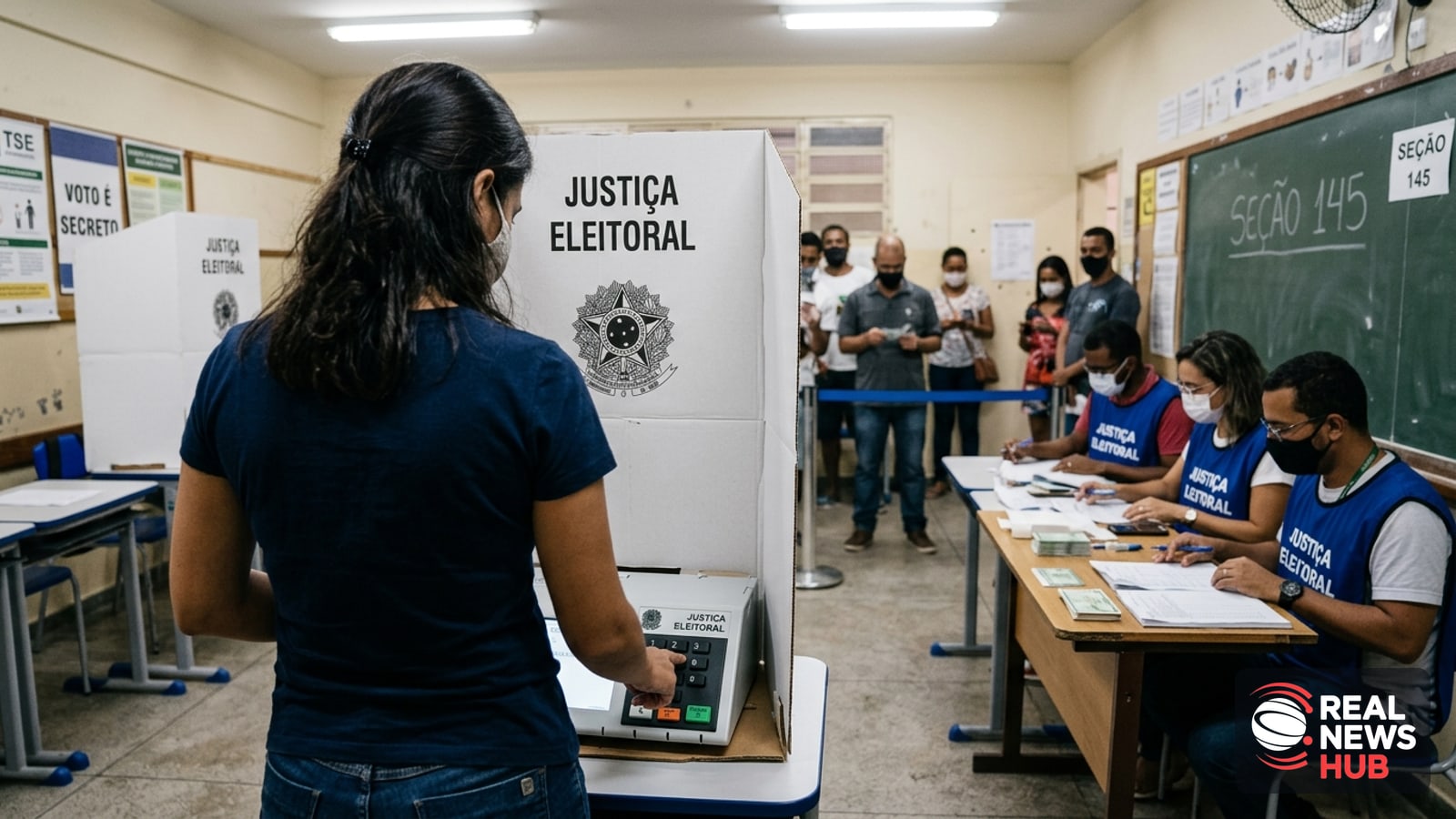
Brazil's presidential election is heading toward a decisive second round after right-wing candidate Flávio Bolsonaro edged ahead of incumbent leftist President Luiz Inácio Lula da Silva in the first round of voting, according to BBC News. Neither contender secured an outright majority, setting up a head-to-head run-off on 25 October.
With nearly all ballots counted following Sunday's vote, Bolsonaro captured 47 percent against 45 percent for Lula. The result outperformed pre-election polling, which had placed the 80-year-old president slightly in the lead. Because several eliminated candidates represent right-leaning factions, analysts suggest Bolsonaro enters the upcoming contest with strong momentum. Furthermore, his Liberal Party achieved major gains in concurrent legislative and regional races, winning the largest share of governors, senators, and federal deputies, which positions the party to exercise substantial sway over Congress.
The 45-year-old challenger is the eldest son of former president Jair Bolsonaro, who is currently serving a 27-year prison term related to a failed coup attempt following his 2022 electoral loss. While the elder Bolsonaro was barred from public office, he endorsed Flávio to represent the conservative movement. Flávio Bolsonaro has pledged that, if elected, he will grant amnesty to his father and to the supporters who stormed and vandalized government institutions on 8 January 2023.
Voter allegiances across the country remain sharply split. Lula commands his strongest backing across Brazil's northeast, among lower-income communities, Catholics, and female voters. Bolsonaro finds widespread support throughout the wealthier southern regions, as well as among business interests and evangelical Christians. Lula described the election as a contest between democracy and "barbarism," while Bolsonaro framed his campaign around an ambition to liberate the nation's citizens.
After the preliminary results were announced, Bolsonaro expressed satisfaction with the tally and voiced confidence about the second round, arguing that voters would deliver a mandate for a modern administration. Lula conceded that failing to win immediately was unexpected, but he maintained that the contest was merely moving into extra time and vowed to fight on.
The campaign has been shaped by pressing domestic challenges, including high levels of household debt, sluggish economic growth, and worries over street crime. While Brazil's broader murder rate has decreased, highly visible offenses like phone robberies remain a persistent frustration for citizens. Bolsonaro has advocated for building maximum-security penitentiaries, classifying local organized crime groups as terrorist factions, curbing state expenditures, and establishing a strict ceiling on public debt. Lula has highlighted his social welfare programs, such as Bolsa Família, alongside anti-deforestation efforts and financial investigations aimed at organized criminal networks.
The upcoming run-off holds major geopolitical significance for Latin America. A victory for Bolsonaro would likely deepen strategic and security cooperation between Brazil and the United States, whereas a victory for Lula would preserve a foreign policy centered firmly on national sovereignty.
Source & verification
VerifiedReported from BBC News.
Get breaking news alerts and the Morning Briefing
Verified stories in your inbox, every one linked to its sources. All newsletters →