

I've seen nearly 500 executions - but never one like Christa Pike's
Texas reporter Michael Graczyk has seen botched executions in his time, but not one in which an inmate survived.
REALNEWS HUB Newsroom
Oct 2, 2026, 15:06 UTC
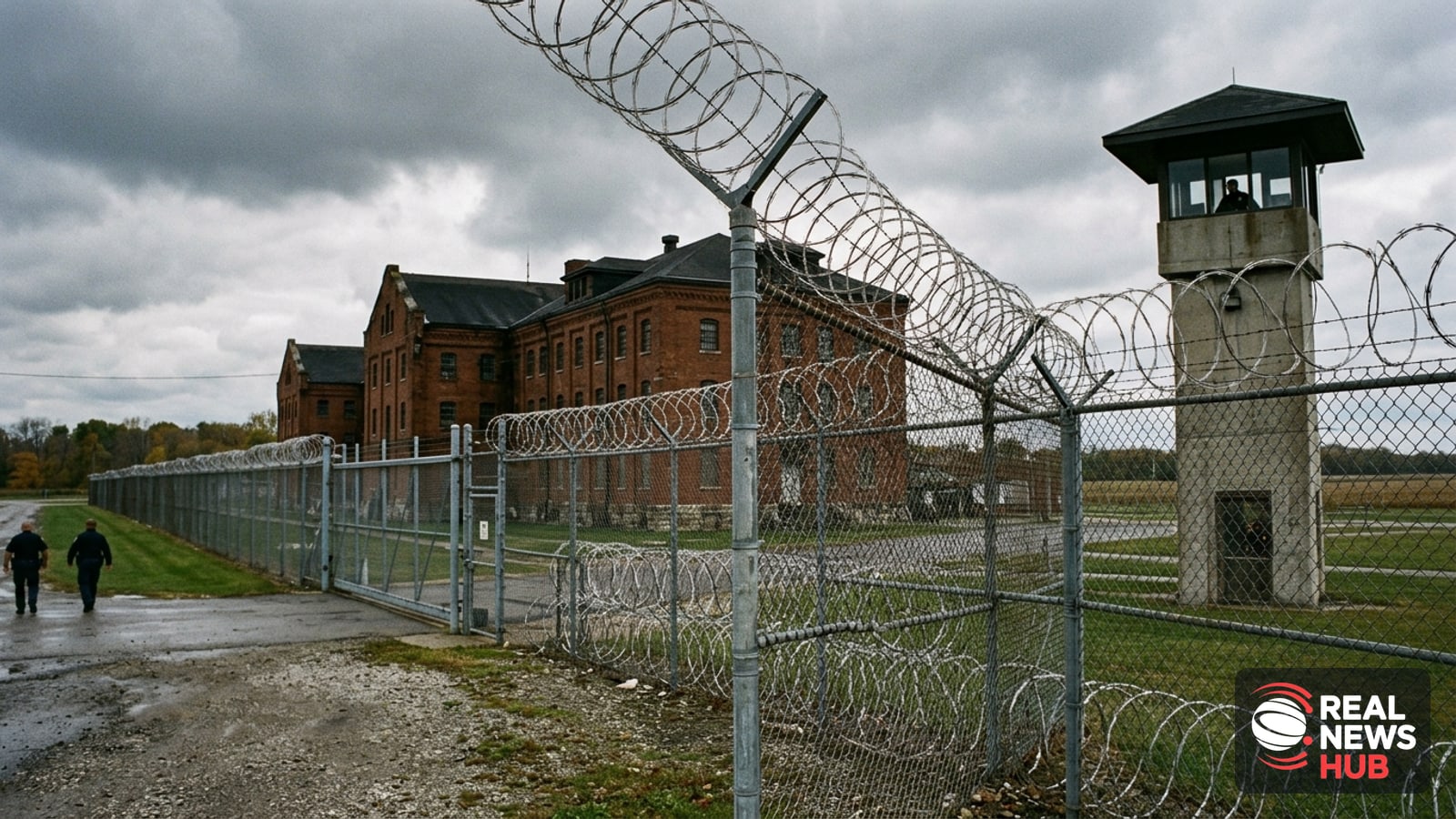
A veteran journalist who has observed roughly 500 executions over several decades says he has never seen a condemned prisoner survive lethal injection, following an unprecedented failed execution in Tennessee this week.
Michael Graczyk, 76, reported for The Associated Press for 46 years and has continued observing capital punishment cases in Texas even after retiring in 2018. Speaking to BBC News, Graczyk said he had witnessed complications such as dislodged needles during his career, but an inmate remaining alive after receiving the lethal drugs was entirely foreign to his experience. The veteran reporter noted he had long considered the possibility of such an event, commenting that it felt like only a matter of time before it occurred.
The rare failure took place Wednesday night during the scheduled execution of 50-year-old Christa Pike. Prison officials in Tennessee administered two distinct doses of the barbiturate pentobarbital. Despite the double dose, Pike continued breathing and audibly snored. Under state guidelines, secondary syringes are kept ready if the initial round fails to kill the inmate, but the protocol does not specify actions if the individual remains alive after the backup dosage. Pike was subsequently taken to a hospital for emergency treatment, according to her attorney.
Following the botched procedure, Tennessee Governor Bill Lee suspended executions across the state and initiated an independent inquiry into the execution process. Capital punishment procedures have experienced growing difficulties over the past decade, as nationwide shortages of traditional execution drugs prompted various states to test new chemical combinations, seek alternative suppliers, or consider firing squads.
Texas has conducted 602 executions since the US Supreme Court allowed capital punishment to resume in 1976, accounting for more than a third of the nation's 1,683 executions during that span. Texas was also the first state to utilize lethal injection back in 1982. Graczyk noted that observers in Texas enter the death chamber only after intravenous lines are secured, typically in the arm, though lines have also been established in hands, legs, or necks when veins proved difficult to find. Normally, individuals lose consciousness within seconds and are pronounced dead between 20 and 40 minutes later.
Graczyk emphasized the importance of impartial journalists serving as independent witnesses to ensure the state exercises its ultimate power lawfully and transparently. At the same time, he expressed concern that public attention often shifts entirely to the condemned prisoner following botched executions, overshadowing the victims and their grieving relatives.
Pike had been sentenced to death for the torture and murder of 19-year-old Colleen Slemmer, whom she killed alongside an accomplice when Pike was 18. Slemmer's mother, May Martinez, witnessed Wednesday's failed execution attempt in Tennessee and described the ordeal to broadcasters as a mess. Records compiled by the Death Penalty Information Center document 64 botched executions since 1982, with 51 involving lethal injections, though past failures typically involved difficulties establishing an IV line rather than survival following full chemical administration.
Source & verification
VerifiedReported from BBC News.
Get breaking news alerts and the Morning Briefing
Verified stories in your inbox, every one linked to its sources. All newsletters →