

Calls grow for US death penalty halt after ‘torturous’ botched execution of Christa Pike
Pike alive but in critical condition as experts call ordeal that unfolded in Tennessee Wednesday ‘unimaginably barbaric’ Top lawyers, doctors and members of the faith community are calling for a moratorium on the US death penalty after Tennessee’s failed attempt to execute Christa Pike left the prisoner alive but in critical condition and receiving life-saving medical care. The recent spate of harrowingly botched executions across US death penalty states reached a new low late on Wednesday when Tennessee’s governor Bill Lee called off the procedure after Pike had been injected with two full syringes of pentobarbital. She is the only person to have survived being administered 5mg of the sedative – a massive dose that under normal circumstances is considered fatal. Continue reading...
REALNEWS HUB Newsroom
Oct 2, 2026, 09:26 UTC
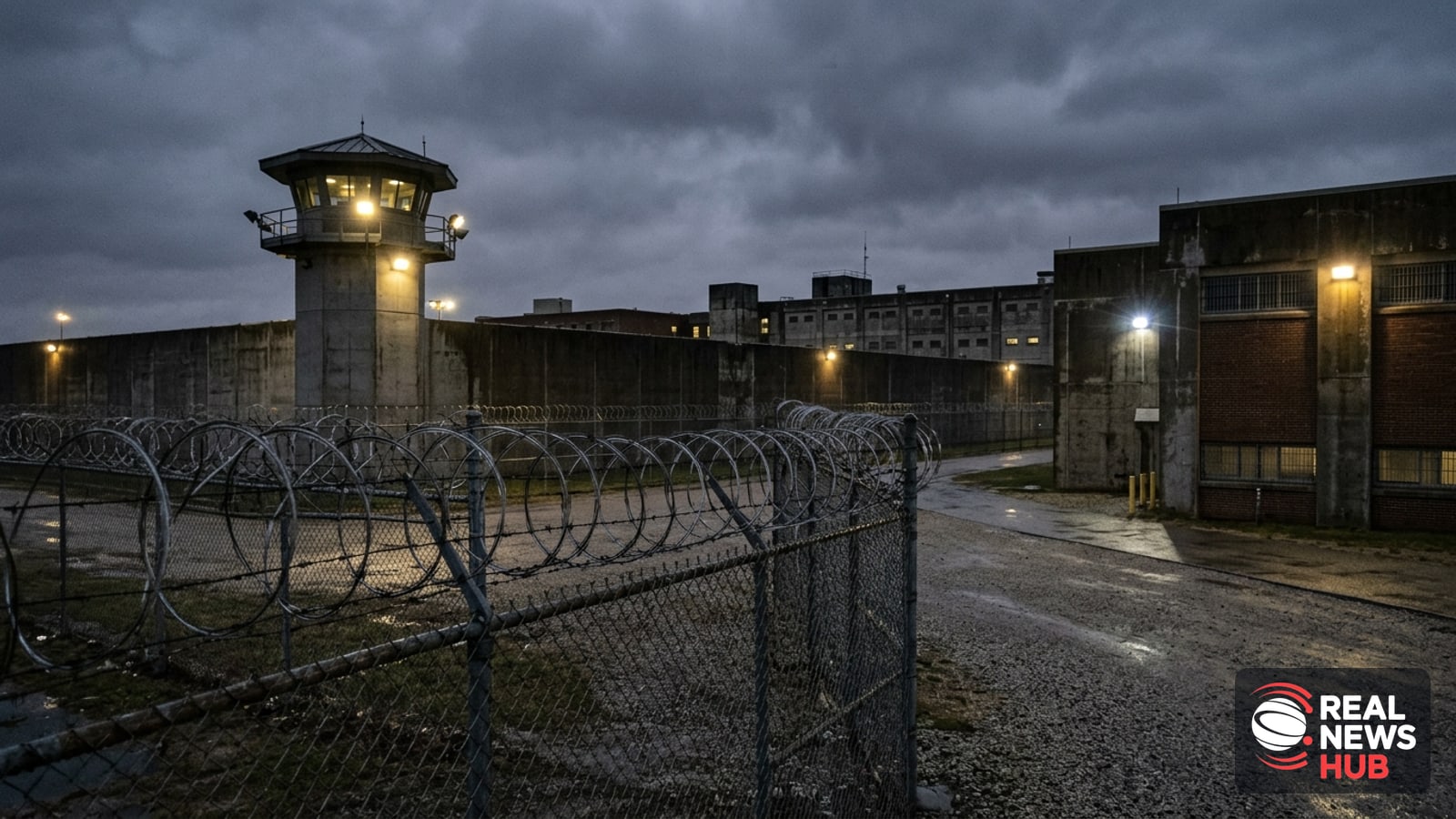
A botched execution in Tennessee has triggered widespread calls from legal scholars, medical experts, and religious advocates for an immediate national halt to the death penalty. Christa Pike, a 50-year-old death row inmate, survived a lethal injection attempt on Wednesday night and remains hospitalized in critical condition, receiving emergency medical care.
Tennessee Governor Bill Lee halted the execution after staff administered two full syringes containing five milligrams of the sedative pentobarbital. A lethal injection dose of that size is generally considered fatal, making Pike the only known person to survive such an amount. Witnesses reported that roughly an hour following the initial dose, Pike was still breathing, gasping for air, struggling, and retained a pulse. Her legal counsel noted that the extent of any brain damage caused by oxygen deprivation remains undetermined.
Pike was sentenced to death in connection with the 1995 murder of classmate Colleen Slemmer. Had the execution been carried out, she would have become the first woman put to death by Tennessee in more than two centuries. Attorney Randy Spivey, who attended the proceeding, characterized the event as torturous, stating he observed seven needle punctures in Pike's left arm, including one needle that bent as staff removed it.
Sandra Babcock, a Cornell Law School professor advising Pike's defense, condemned the process and urged Governor Lee to immediately reduce Pike's sentence to life in prison. Bryan Stevenson, head of the Equal Justice Initiative, stated that nearly a dozen flawed execution attempts in recent years should have prompted a suspension of the practice long ago, arguing that the system has proven biased and unreliable.
The incident marks Tennessee's second failed execution attempt within five months. In May, the state suspended the execution of Tony Carruthers after staff failed to establish an intravenous line, with his execution subsequently reset for next May. Similar vascular access failures in Alabama previously disrupted the scheduled executions of Alan Miller and Kenneth Smith, who were later put to death using nitrogen gas. A federal judge subsequently barred Alabama from using nitrogen gas in June, ruling the method unconstitutional.
Medical experts had previously warned courts about potential complications. Joel Zivot, an anesthesiology professor who testified before a special master regarding Pike's case in August, warned that her long tenure in solitary confinement and high blood platelet levels increased the likelihood of blood clots and compromised veins. That testimony was largely dismissed by the judicial officer presiding over the matter.
Anti-death penalty activist Sister Helen Prejean described the ordeal as fundamentally cruel and called for greater public awareness regarding capital punishment procedures. The renewed push for a moratorium comes during a broader rise in capital punishment activity across the country, with 47 executions carried out across 12 states last year, even as public opinion polls show capital punishment support declining from 80 percent in the early 1990s to 52 percent today.
Source & verification
VerifiedReported from Guardian World.
Get breaking news alerts and the Morning Briefing
Verified stories in your inbox, every one linked to its sources. All newsletters →