

European cost-of-living protests expand across 31 countries following French unrest
More than 1,700 cost-of-living demonstrations have hit 31 European countries since mid-September, led by France.

Watch this story
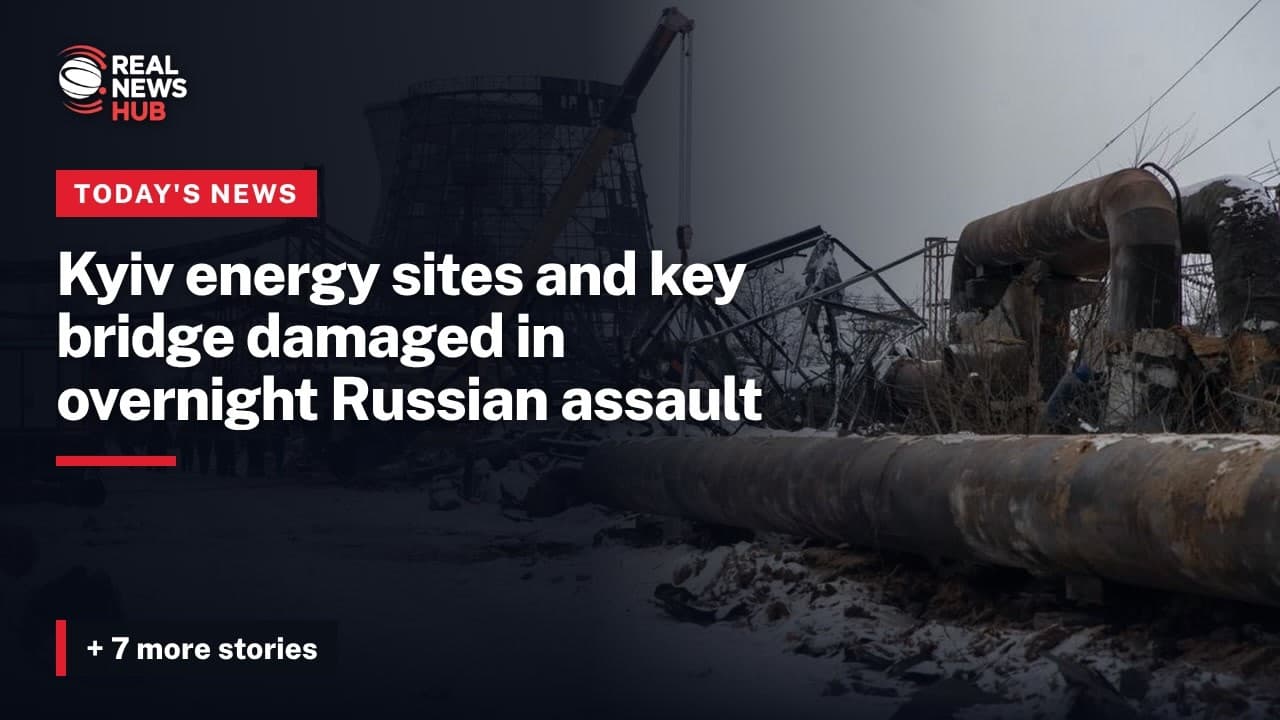
From Kyiv Bridge Hit in Russian Blitz + US Mulls Iran Strikes, starting at 4:35 · Watch on YouTube
A surge of public anger over living expenses and strained public infrastructure has triggered more than 1,700 demonstrations across 31 European nations since the middle of September, with France serving as the core of the unrest.
According to data compiled by the Armed Conflict Location & Event Data project, known as ACLED, more than 1,200 protests and riots involving at least 100 participants occurred in France between September 15 and October 30. During the same period, significant protest activity emerged in several other countries, including 173 demonstrations in Spain, 160 in Italy, 70 in Germany, and 33 in Portugal.
The wave began among French high school students frustrated by decaying school buildings, inadequate staffing, and crowded classrooms. The grievances rapidly multiplied to encompass soaring fuel costs, stagnating wages, and a worsening shortage of affordable housing. Labor unions and participants from the yellow vests movement subsequently joined the campaign.
The French government reported that 146,000 citizens marched nationally on a recent Saturday, with 46,000 gathering in Paris. Union leaders offered higher assessments, placing the turnout at 250,000 nationally and 75,000 in the capital. While lower than previous rallies that drew upwards of 500,000 participants, the demonstrations continued to produce confrontations. Law enforcement deployed tear gas and batons in Paris, while security officers dispersed crowds obstructing a central road in Lyon. Approximately 70,000 security personnel were mobilized to manage the crowds.
ACLED head Clionadh Raleigh noted that daily demonstrations in France spiked to nearly 66 per day during this movement, compared to a five-year baseline average of 20.5. Raleigh also highlighted an unusual degree of confrontation, reporting that 24.2 percent of the recorded incidents were classified as riots, compared to less than two percent during typical protest periods.
Law enforcement tactics in France have faced growing scrutiny. United Nations human rights specialists issued a statement in late October condemning the heavy-handed dispersal of rallies, noting that the detention of thousands of demonstrators, many of them minors, risked chilling public assembly and free expression. In one severe confrontation in Lille, an exploding grenade caused a teenage demonstrator to lose a hand.
Similar economic pressures have catalyzed demonstrations across the continent. In Spain, tens of thousands took to the streets following the defeat of emergency housing legislation in parliament. Mass gatherings over expensive rent, sluggish pay increases, and underfunded social programs have also disrupted major urban areas across Italy and Portugal, pointing to continent-wide dissatisfaction with the current cost of living.
Earlier on this story
- France deploys thousands of police as fourth weekend of protests hits cities
- France faces widespread walkouts and marches over living costs and budget cuts
- Germany sees police use water cannon as nationwide Gen Z rallies turn tense
- Paris protests see police deploy tear gas as nationwide cost-of-living rallies grow
- Italy hit by nationwide general strike over living costs and public services
Spotted an error? Report it · Editorial standards · Corrections policy
Source & verification
DevelopingReported from Aljazeera English .
Get breaking news alerts and the Morning Briefing
Verified stories in your inbox, every one linked to its sources. All newsletters →