

What is the Budget and what could be in it?
Chancellor John Healey will set out his plans for UK taxes in October.
REALNEWS HUB Newsroom
Sep 28, 2026, 17:58 UTC
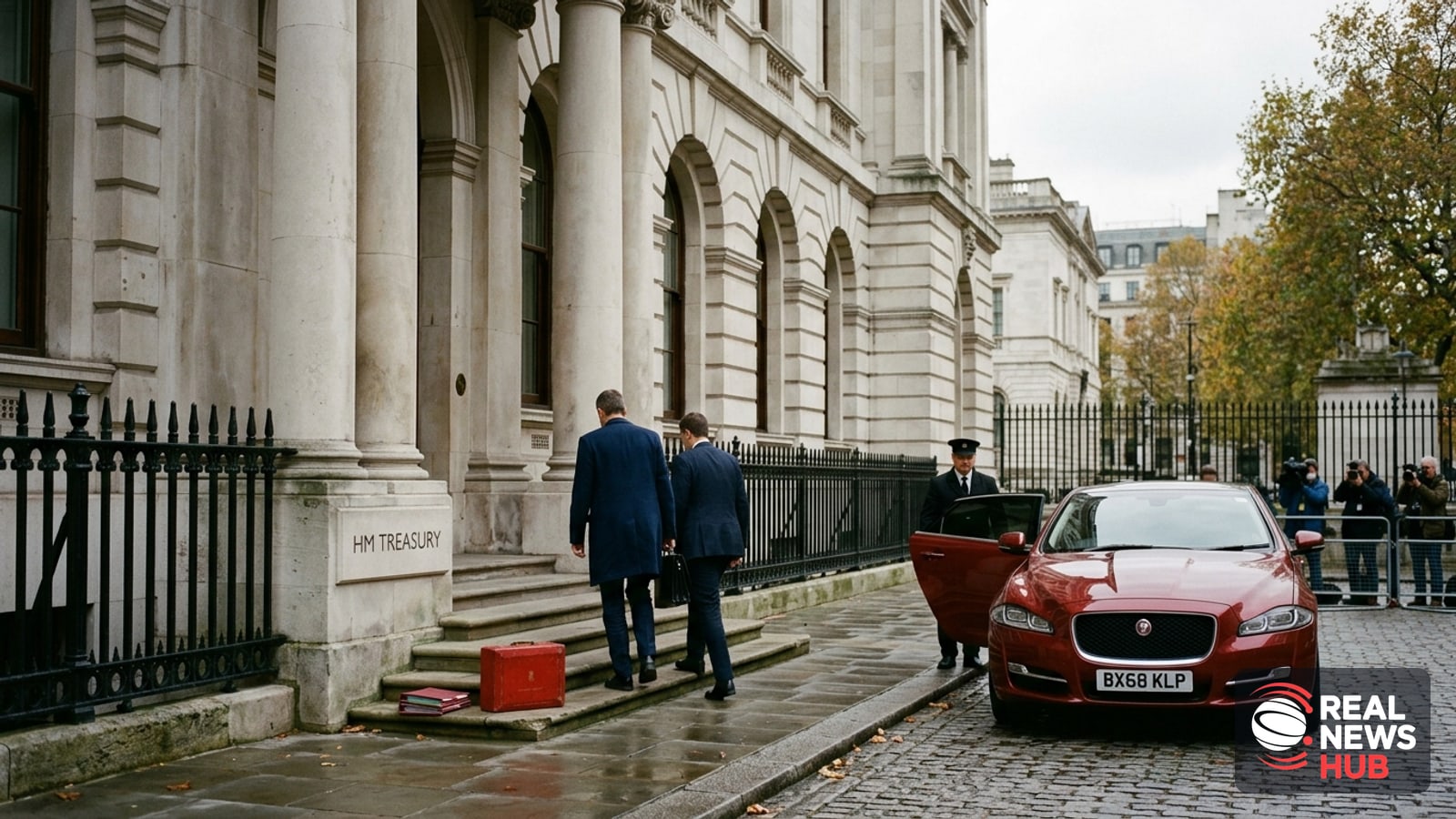
Chancellor John Healey will present his first Budget to Parliament on 28 October, laying out Labour's approach to taxation and government spending for the year ahead, according to BBC News.
Healey has declined to rule out raising taxes, pointing to the fact that government borrowing costs remain unusually high. Still, his options are constrained by pledges Labour made ahead of the 2024 general election, when the party committed to leaving income tax, National Insurance and VAT untouched.
During the Commons statement, Healey is expected to detail any changes to taxation, with the Treasury releasing accompanying documents explaining the cost and scope of each measure. The Office for Budget Responsibility, an independent watchdog that tracks public finances, will also issue its own outlook on the economy alongside projections for the coming years.
Speculation about the contents of the Budget is common in the weeks before it is delivered, though officials are said to be working to limit leaks this time around. Healey and Prime Minister Andy Burnham are reportedly weighing how to ease pressure on households and fund defence spending commitments without breaching Labour's tax pledges or the fiscal rules inherited from former chancellor Rachel Reeves. Those rules commit the government to covering everyday public spending through revenue rather than borrowing by the end of this Parliament, and to shrinking the national debt relative to the size of the economy over the same period.
Earlier this year, the OBR estimated the government had roughly £23.6 billion of headroom against its borrowing rule, but analysts at KPMG believe rising borrowing costs may have cut that cushion to closer to £12 billion. One possibility being discussed is that Healey could accept a slimmer margin rather than pursue additional tax rises, BBC News reported.
Among the policies expected to feature is further detail on the "Your First Home" initiative, designed to help first-time buyers in England purchase new-build properties with a deposit as low as 2.5%, supported by a government loan covering 20% of the home's value.
Changes to Capital Gains Tax, which applies to profits made from selling assets that have risen in value, are also being discussed, potentially through higher rates or adjustments to existing exemptions.
The so-called Mansion Tax, formally known as the High Value Council Tax Surcharge, was introduced in last year's Budget and is due to apply to English properties worth more than £2 million starting in April 2028. Some reports suggest ministers may lower that threshold to £1.5 million.
There have also been calls, particularly from unions, to increase levies on banks following strong profit reports across the sector, though lenders argue this could damage the UK's competitiveness and hinder economic growth.
Fuel duty remains another point of uncertainty. It has been frozen since March 2022, and the current government delayed a planned 3p rise earlier this year until after the Budget. Healey has indicated the Budget will address fuel costs but has not confirmed whether the freeze will continue.
On the economy, growth reached 0.6% in the first quarter of the year before easing to 0.4% between April and June, according to the Office for National Statistics, which described the pace as relatively strong compared with other G7 nations. Growth accelerated again in July, beating expectations.
Analysts note the UK economy has shown resilience despite energy price shocks tied to the conflict between the US, Israel and Iran, which disrupted oil shipments through the Strait of Hormuz and pushed up fuel costs. Inflation climbed to 3.1% in the year to August, its highest level in five months and above the Bank of England's 2% target. The Bank kept interest rates unchanged at 3.75% in September for a sixth consecutive time, warning they could rise further if energy prices stay elevated.
The Budget speech is expected to begin around 12:30pm following Prime Minister's Questions and run for about an hour, with Conservative leader Kemi Badenoch delivering the opposition's response. MPs will then debate the measures over four days before voting. Any approved tax changes can take effect immediately, though they require a subsequent finance bill to become permanent law.
Source & verification
DevelopingReported from Business.