

Sens. Markey, Merkley and Reps. Jayapal, Tlaib, Pressley Reintroduce Legislation to Halt Government Use of Facial Recognition and Other Biometric Technology
Bill Text (PDF) Washington (September 25, 2026) – Senator Edward J. Markey (D-Mass.), member of the Commerce, Science, and Transportation Committee, Senator Jeff Merkley (D-Ore.), and Representatives Pramila Jayapal (WA-07), Rashida Tlaib (MI-12), and Ayanna Pressley (MA-07), announced the reintroduction of the Facial Recognition and Biometric Technology Moratorium Act, legislation to prohibit the government from using facial recognition and other biometric […]
REALNEWS HUB Newsroom
Sep 26, 2026, 07:15 UTC
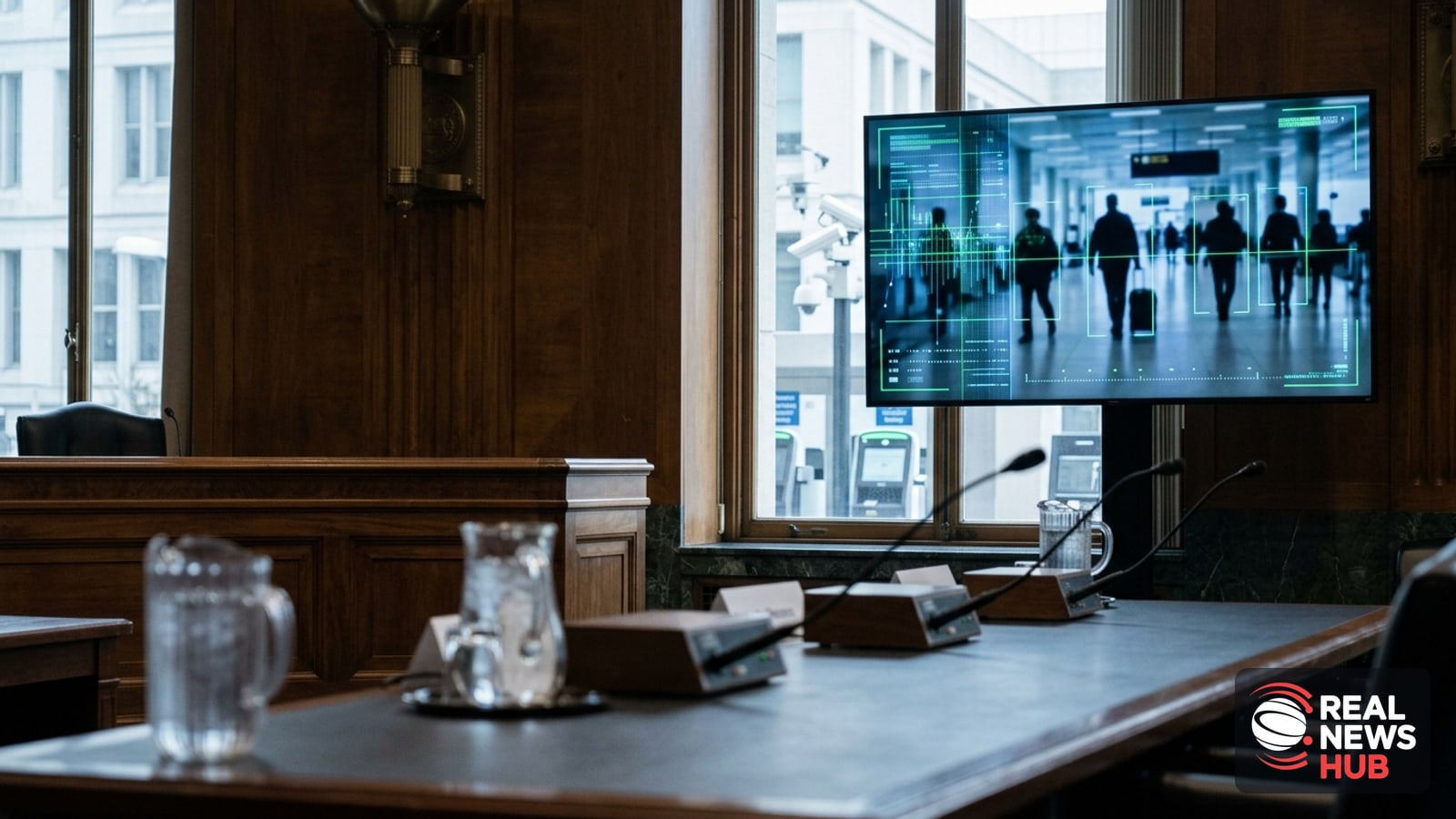
A group of Democratic lawmakers has reintroduced federal legislation aimed at halting the government's use of facial recognition and other biometric identification tools, citing concerns over surveillance, privacy and racial bias.
Senator Edward J. Markey of Massachusetts, Senator Jeff Merkley of Oregon, and Representatives Pramila Jayapal of Washington, Rashida Tlaib of Michigan, and Ayanna Pressley of Massachusetts announced the reintroduction of the Facial Recognition and Biometric Technology Moratorium Act on September 25, 2026, according to a statement from Merkley's office.
The bill would bar federal agencies from using facial recognition technology, with that ban lifted only through a future act of Congress. It would extend the same restriction to other biometric identification methods, including voice and gait recognition and other systems that identify people through physical traits that cannot be changed.
Lawmakers pointed to the expanding use of biometric tools by immigration enforcement agencies as a driving factor behind the bill. They specifically cited a mobile facial recognition application used by Immigration and Customs Enforcement and Customs and Border Protection, which they said has been deployed to identify and pressure immigrant communities, according to the announcement.
The sponsors also referenced research indicating that close to half of adults in the United States already have their faces stored in facial recognition systems, and that the technology misidentifies Black, Brown and Asian individuals at a dramatically higher rate than white men.
In a statement, Markey said biometric tools have effectively become instruments of authoritarian control when placed in the hands of government agencies, allowing ICE and CBP to monitor and pressure communities nationwide. He argued that Black and Brown communities face the greatest risk of being wrongly flagged or detained due to enforcement patterns and flawed technology, and said curbing what he described as expanding surveillance under the Trump administration must begin with a moratorium.
Merkley said in a statement that Americans concerned about privacy, discrimination and the presumption of innocence should be wary of facial recognition contributing to a broader surveillance system, adding that a federal moratorium is essential to limiting improper monitoring.
Jayapal said in a statement that ending what she called an ongoing, nonconsensual surveillance environment requires stopping government use of the technology, noting concerns that the tool has been used against protesters and immigrants and disproportionately misidentifies people of color.
Tlaib said in a statement that the technology carries built-in bias that leads to wrongful suspicion of Black, Brown and Asian residents, and said passing the legislation would help safeguard civil liberties.
Beyond the federal prohibition, the bill would tie certain federal grant funding for state and local governments, including law enforcement agencies, to those entities adopting their own restrictions on biometric technology use. It would also block federal funds from being used to build biometric surveillance systems and would prevent data gathered in violation of the law from being introduced in court proceedings.
The measure would additionally create a private right of action for people whose biometric information is collected unlawfully under the act, and would let state attorneys general pursue enforcement. States and local governments would retain the ability to pass their own separate rules governing biometric and facial recognition technology.
The legislation has drawn public backing from several advocacy and civil liberties organizations, including the Electronic Frontier Foundation, Fight for the Future, the Electronic Privacy Information Center, Free Press and Demand Progress, whose representatives said in statements accompanying the announcement that the technology poses serious risks to privacy, civil rights and democratic freedoms regardless of its accuracy.
Source & verification
VerifiedReported from Technology.