

Senate passes bipartisan Protect College Sports Act amid ‘chaos’ in industry
College sports have been upended by athlete payments Critics say legislation does not go far enough The Senate passed a sweeping bipartisan bill on Monday that would regulate college sports, an attempt to end “chaos” in an industry that has been upended by skyrocketing athlete payments and near-unrestricted transfers between schools. The overwhelming 77-22 vote to pass the Protect College Sports Act is the strongest effort yet by Congress to set national regulations governing payments to college athletes for their name, image and likeness and how often they can transfer. It would give the NCAA new authority over those rules and limited antitrust protections to enforce them. Continue reading...
REALNEWS HUB Newsroom
Sep 29, 2026, 14:43 UTC
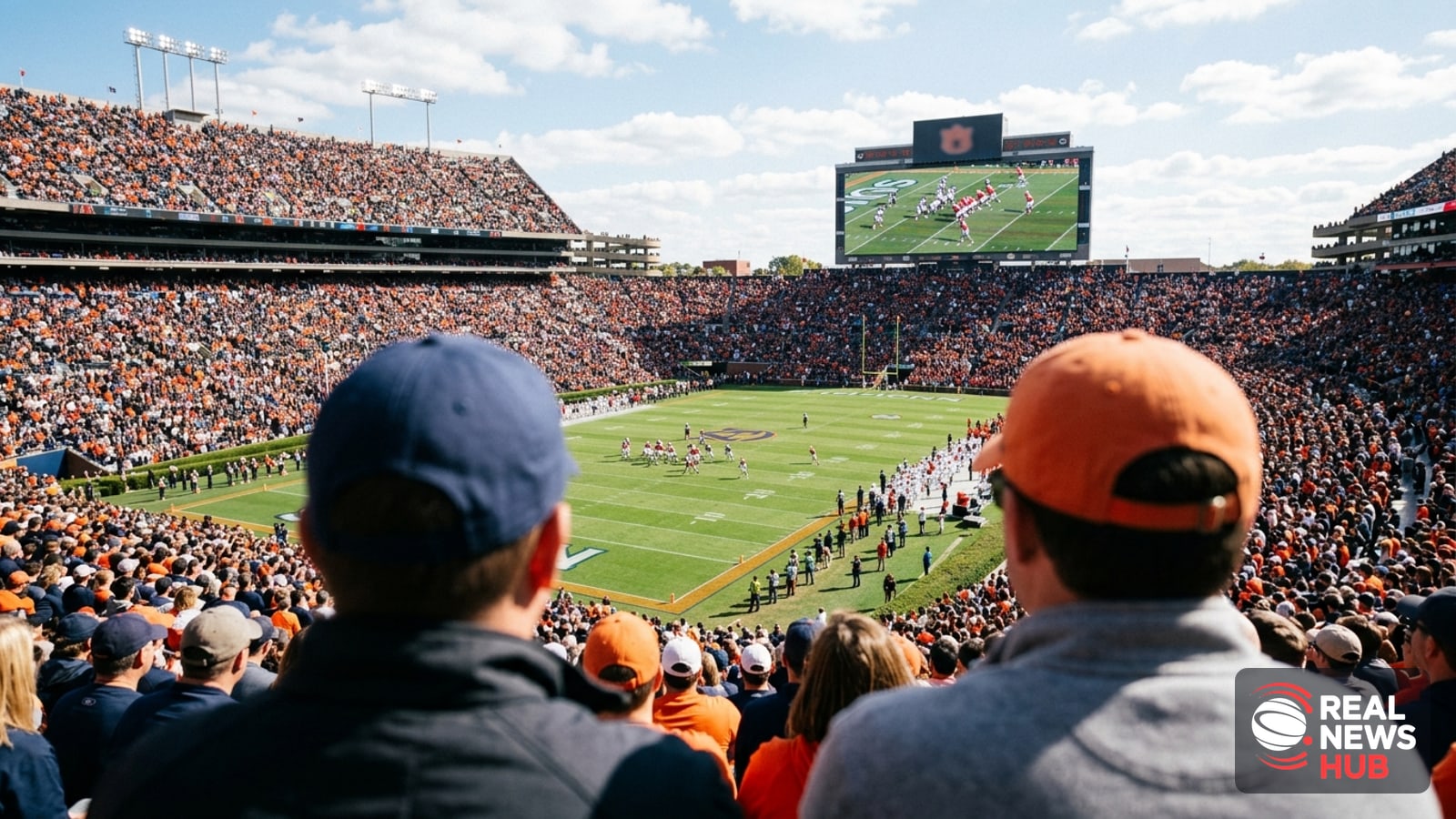
The Senate voted 77-22 on Monday to approve the Protect College Sports Act, marking the most significant congressional attempt yet to impose national rules on an industry that lawmakers say has spiraled into disorder following a wave of athlete pay deals and unchecked player movement between schools.
The measure, which still needs House approval, would grant the NCAA expanded authority to police name, image and likeness payments and transfer rules, along with narrow protections from antitrust lawsuits to help enforce them, according to the Guardian.
The bill emerged from years of Senate talks that picked up speed after a legal settlement last year cleared the way for colleges to pay athletes directly, upending recruiting and roster-building across the sport. Republican Senator Ted Cruz of Texas, who worked on the legislation with Democratic Senator Maria Cantwell of Washington, argued that only federal legislation could bring order to the system. "It would be nice if college sports could somehow magically fix itself, but this is a matter of law, federal law, and only Congress can fix it," Cruz said, according to the Guardian.
President Donald Trump voiced support for the bill following its passage, writing on social media that it represented "a really big deal" that would help preserve both college athletics and the universities that host them, the Guardian reported.
Supporters of the measure, which drew backing from more than 70 senators across party lines, say it would reduce ongoing litigation and unpredictability for athletes, schools and fans, while also extending new health and workplace protections to a large number of college athletes.
Not everyone in Congress is convinced. Democratic Senator Chris Murphy of Connecticut, who mobilized opposition among labor and civil rights organizations, said the legislation locks in an unfair system rather than addressing its root problems. "This is a bill that essentially ensconces a system of exploitation, and it doesn't fix the broader problems," Murphy said, per the Guardian.
Even if the bill clears the Senate, its path forward is uncertain. The House failed multiple times over the past year to bring a comparable proposal up for a vote and remains out of session until after the November elections. Should lawmakers fail to pass matching legislation through both chambers by year's end, the effort would need to restart in the next Congress, according to the Guardian.
The push for federal rules follows a 2025 court settlement that permitted schools to pay athletes directly for use of their name, image and likeness, a shift that has driven football payrolls at some programs beyond $40 million, the Guardian reported.
The bill would write that settlement into law, including a cap letting schools share as much as $21.5 million in revenue with athletes, while also allowing certain schools to distribute more than double that amount through an additional retention fund of up to $27.5 million. That provision reportedly helped secure support from the Big Ten and Southeastern Conference. The legislation would also let schools and conferences combine television media rights to boost revenue.
To rein in frequent roster turnover, the bill would cap athletes at one penalty-free transfer over a five-year span, with some exceptions, and would cap total eligibility at five years. Lawmakers pointed to instances such as LSU's shelved plan to add players with NFL training camp experience as evidence of the need for firmer eligibility limits.
Additional provisions would bar coaches from departing mid-season, require schools switching conferences to first spend three years as independents, and cap conference membership at 20 programs in an effort to head off the formation of breakaway "superleagues."
Murphy and other Democrats contend the bill fails to address soaring spending elsewhere in the sport, noting it caps athlete revenue shares without placing any limits on coaching salaries or booster donations, according to the Guardian.
Organizations including the NAACP, the Congressional Black Caucus and the AFL-CIO have also opposed the measure, largely because it does not resolve whether college athletes should be classified as employees entitled to collectively bargain. All four Black Democratic senators — Cory Booker, Raphael Warnock, Lisa Blunt Rochester and Angela Alsobrooks — voted against the bill. Booker, a former Stanford football player, said Black athletes play an outsized role in college sports and argued the legislation favors institutional interests. "We know who this bill is protecting," Booker said, according to the Guardian.
Source & verification
VerifiedReported from Guardian US Politics.