

Putin told Trump about Iran's position on peace deal: Kremlin
Russian President Vladimir Putin has told Donald Trump about Iran's position on a possible Mideast peace deal, the Kremlin said Saturday. The Kremlin said Tehran's stance was relayed in a phone call held between the two leaders on Friday. It did not say how Trump responded, nor elaborate on Iran's position. Diplomatic efforts to end the more-than-seven-month-long Iran conflict, which began with US-Israeli strikes on Iran in February, have been at an impasse since the summer.

Watch this story
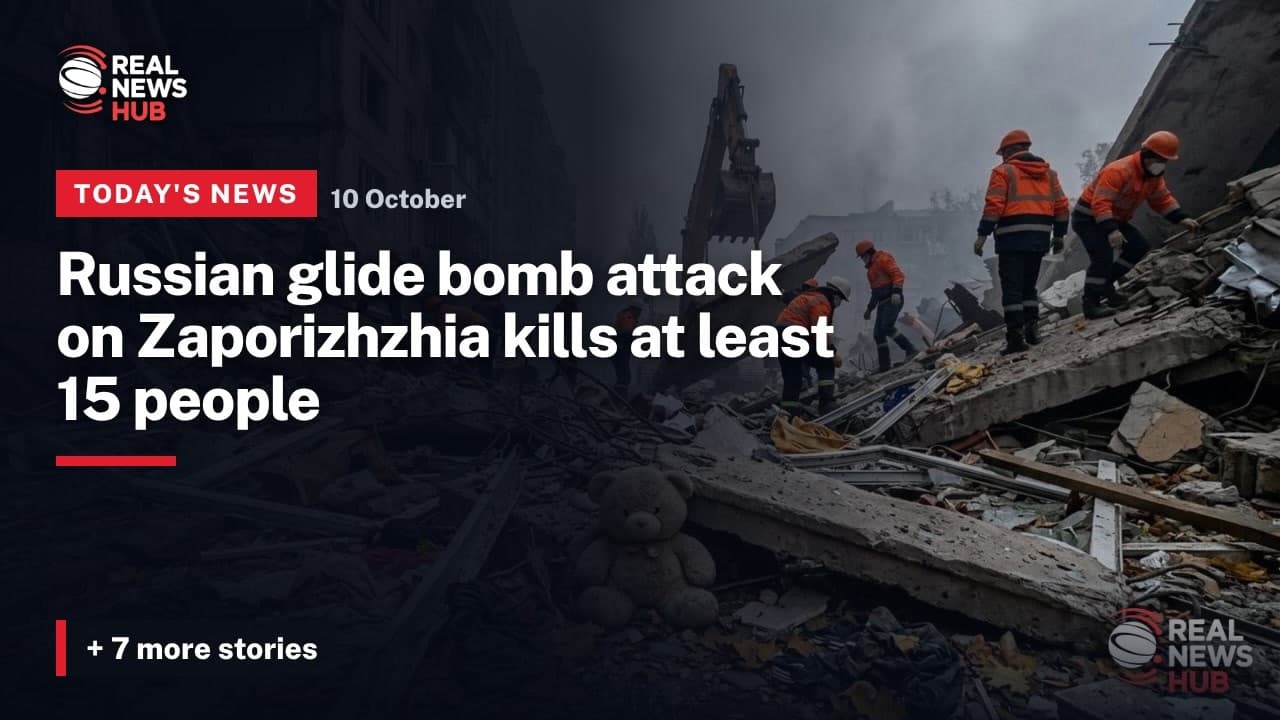
From Today's News, 10 Oct: Russian glide bomb attack on Zaporizhzhia kills at least 15 people, starting at 1:08 · Watch on YouTube
Russian President Vladimir Putin shared Iran's perspective regarding a potential Middle East peace settlement during a telephone discussion with Donald Trump, the Kremlin announced on Saturday.
The exchange took place during a Friday call between the two leaders, according to Moscow. Russian officials did not provide specifics on what Tehran's stance entailed, nor did they disclose how Trump reacted to the message.
Kremlin spokesperson Dmitry Peskov stated on Saturday that Putin passed along the Iranian position following consultations with Iranian leadership. According to Russia's state-run RIA news agency, Peskov noted that Putin communicated Iran's perspective on potentially resolving the hostilities in coordination with Iranian President Masoud Pezeshkian.
The outreach follows a recent personal meeting between Putin and Pezeshkian, who conferred on the sidelines of an international conference in Turkmenistan earlier in the week. During those discussions, the Russian head of state indicated a willingness to assist in mediating an end to the fighting.
Efforts to achieve a diplomatic resolution have remained stalled since the summer months. The wider conflict between the parties has persisted for over seven months, having ignited in February following joint military strikes launched by the United States and Israel against targets in Iran.
Diplomats had previously appeared to make headway when Washington and Tehran reached a memorandum of understanding outlining a preliminary framework for peace in June. However, that progress dissolved after Iranian forces targeted commercial vessels traveling through the Strait of Hormuz, prompting the American military to restart its operations in the region.
Subsequent attempts to restart the peace process have yielded little momentum. Indirect discussions arranged between Iranian and American officials during the United Nations General Assembly in recent weeks concluded without producing any measurable progress toward halting the conflict.
Spotted an error? Report it · Editorial standards · Corrections policy
Source & verification
DevelopingReported from Al-Monitor.
Get breaking news alerts and the Morning Briefing
Verified stories in your inbox, every one linked to its sources. All newsletters →