

Judge says federal law banning noncitizen voting is unconstitutional
In a possible blow to the Trump administration's efforts to charge noncitizens with voting, a judge has dismissed a case against a Jamaican national accused of illegally voting, finding the law she was charged under is unconstitutional.
REALNEWS HUB Newsroom
Oct 3, 2026, 04:16 UTC
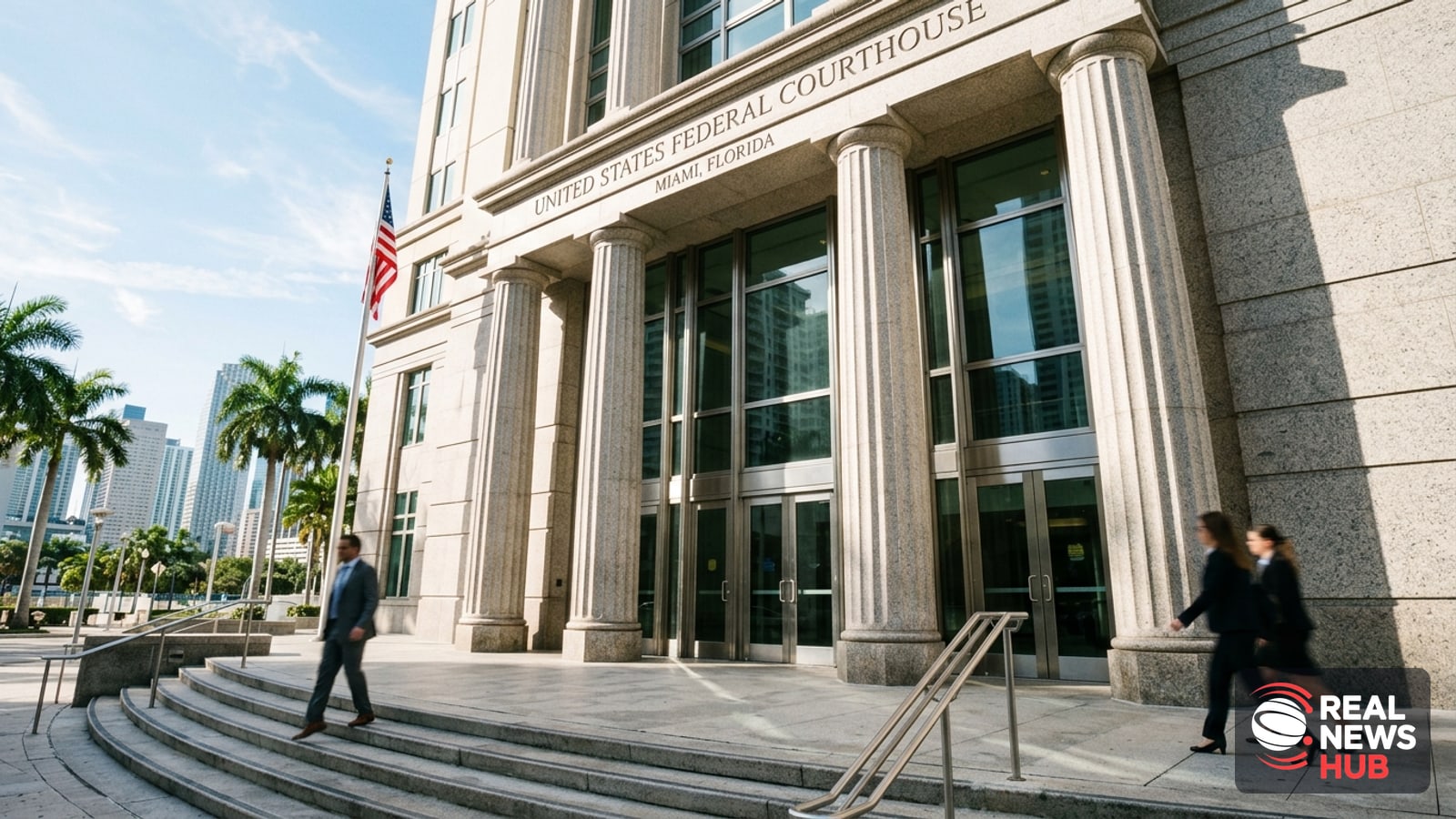
A federal judge in Florida has thrown out an illegal voting case brought against a Jamaican citizen, determining that the federal statute prohibiting noncitizens from casting ballots in national elections violates the U.S. Constitution.
U.S. District Judge David S. Leibowitz issued a 31-page decision dismissing the misdemeanor charges against Chelsea Cox, who had been indicted in October 2025 for casting a ballot in the 2020 election. The Miami-based judge concluded that 18 U.S.C. Section 611 exceeds the powers granted to the federal legislature, finding that the Constitution leaves the authority to determine voter qualifications to individual states rather than Congress.
The ruling marks what appears to be the first time a court has declared the statute unconstitutional, according to CBS News. While the direct legal impact of the decision is confined to Cox, it could present an obstacle to the Justice Department's heightened campaign against noncitizen voting. Election specialists widely regard unlawful voting by noncitizens as extremely infrequent, though President Donald Trump has consistently asserted the practice is widespread.
Federal prosecutors filed notice of an appeal shortly after the ruling was published. The ruling focuses exclusively on the prohibition against noncitizen voting and does not invalidate other legal measures, including statutes penalizing individuals who falsely claim American citizenship to register or vote.
In his opinion, Leibowitz noted the rarity of the constitutional question, pointing out that the federal ban had stood for roughly four decades without a court directly considering whether Congress held the authority to pass it. He concluded that the constitutional framework, language, and original public meaning indicate that lawmakers lacked the jurisdiction to implement the restriction. The judge highlighted that Florida authorities retain the legal right to pursue charges under state statutes if they choose.
Federal prosecutors claimed Cox remained in the country after her visitor visa expired over two decades ago and later secured a Florida driver's license using a forged birth certificate from the U.S. Virgin Islands. Court records state she participated in multiple federal ballots beginning in 2012, culminating in the 2020 vote that triggered the prosecution.
Cox's defense counsel had requested the dismissal by arguing that the federal government overstepped into state authority. During the proceedings, Leibowitz sought input from Paul Clement, a prominent Supreme Court practitioner who served as solicitor general in the George W. Bush administration. Clement submitted a brief agreeing that Congress had likely surpassed its constitutional reach, observing that setting qualifications for voters remains the responsibility of individual states.
Bruce Udolf, the attorney representing Cox, stated that his client was deeply relieved by the dismissal following a recent medical procedure. The defense is currently in discussions with federal officials regarding potential next steps, including whether immigration authorities will seek her deportation.
Source & verification
VerifiedReported from CBS News Politics.
Get breaking news alerts and the Morning Briefing
Verified stories in your inbox, every one linked to its sources. All newsletters →