

Iraq looks for oil export alternatives to the troubled Strait of Hormuz
The continued blockade of the Strait of Hormuz has forced Iraq to look for alternatives to export its oil.
REALNEWS HUB Newsroom
Sep 28, 2026, 18:33 UTC
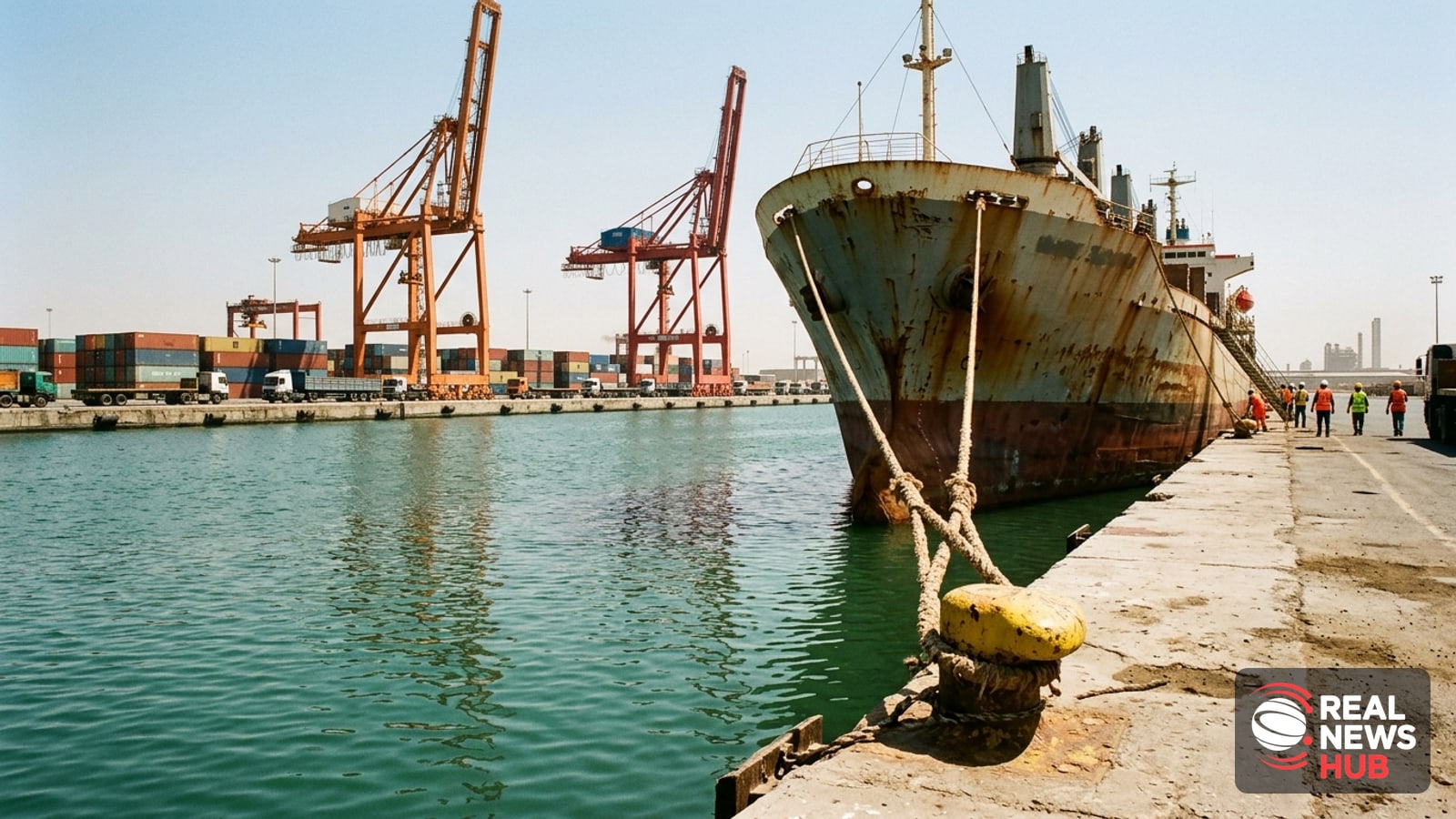
Iraq is scrambling to find new ways to sell its oil abroad after the prolonged closure of the Strait of Hormuz cut deeply into the country's crude exports, according to Aljazeera English.
Speaking before the United Nations General Assembly on Friday, Iraqi Prime Minister Ali al-Zaidi described the toll taken by the ongoing conflict between the United States and Iran, which has choked off maritime trade through the strait. He said Baghdad has been unable to move roughly 90 percent of its oil through the Gulf since the fighting started, resulting in an estimated $60bn in lost revenue.
Al-Zaidi told the assembly that his government was watching the situation in the strait with concern, noting that disrupted shipping there had contributed to a surge in global oil prices, according to Aljazeera English.
Because oil sales typically fund about 90 percent of Iraq's federal budget, the drop in exports has strained government finances, delayed public sector wages and fueled protests in Baghdad, the outlet reported. Officials are reportedly weighing austerity measures to close the budget gap, though such steps are widely unpopular among Iraqis.
Al-Zaidi pointed to plans for boosting production and diversifying export routes as possible paths toward recovery, including expanding the Iraq-Turkiye Pipeline or building new links through Jordan and Syria. Analysts, however, caution that none of these options can replace the volume of oil that normally flows through Hormuz.
Sarmad Al-Bayati, an Iraqi political and security analyst, told Aljazeera that alternative routes through Turkiye, Syria or Jordan remain far from workable in the near term, leaving Hormuz as the only realistic export channel for now.
In the meantime, Iraq has turned to costly workarounds, including ship-to-ship transfers near Basra and other Gulf ports, with smaller vessels moving cargo through the strait under U.S. military escort. Ali Nazar, head of Iraq's State Oil Marketing Organisation, told parliament that the country's export capacity stood at 4.2 million barrels a day in September, but actual shipments averaged only 2.5 million barrels, down from 3.5 million barrels before the crisis. He said Iraq is offering discounts of around $26.50 a barrel for medium crude and roughly $28 for heavy crude, though buyers remain scarce due to the ongoing danger to ships passing through Hormuz. Nazar added that Kuwait and Qatar have offered even steeper discounts, of up to $35 a barrel, intensifying competition for buyers.
Iraqi oil ministry spokesman Salim al-Rikabi said the country exported 70 million barrels in August, generating about $4.5bn in revenue, though an oil ministry source said this figure reflected only crude shipped through Hormuz from southern fields.
Iraq is also using its pipeline through Turkiye to move crude to the Mediterranean port of Ceyhan, and Basra Oil Company manager Bassem Abdul Karim said around 250,000 barrels a day are currently being trucked from southern oil fields to storage in Kirkuk, with hopes of raising that figure to 750,000 barrels. Last month, Iraq and Turkiye signed a renewable one-year deal to ship at least 750,000 barrels daily through the pipeline.
Still, experts argue these measures fall short of solving Iraq's underlying problem. Hassan Hafidh, a former OPEC spokesman, told Aljazeera that Iraq had failed to develop export alternatives before the Hormuz crisis and that none of the current options can substitute for the volumes the strait once allowed.
Iraqi Oil Minister Basim Mohammed Khudair warned parliament last week that the situation in the strait remains volatile, with no resolution in sight between Washington and Tehran. He said that even current export levels of about three million barrels a day cannot be guaranteed to continue, adding that prolonged conflict would likely reduce exports further, since the country's trade ultimately depends on safety in the strait.
Source & verification
VerifiedReported from Aljazeera English .