

G7 to release 100 million barrels of oil and diesel after Trump export ban threat
The coordinated release is aimed at heading off further price spikes and avoiding a ban on US diesel exports.
REALNEWS HUB Newsroom
Oct 3, 2026, 06:16 UTC
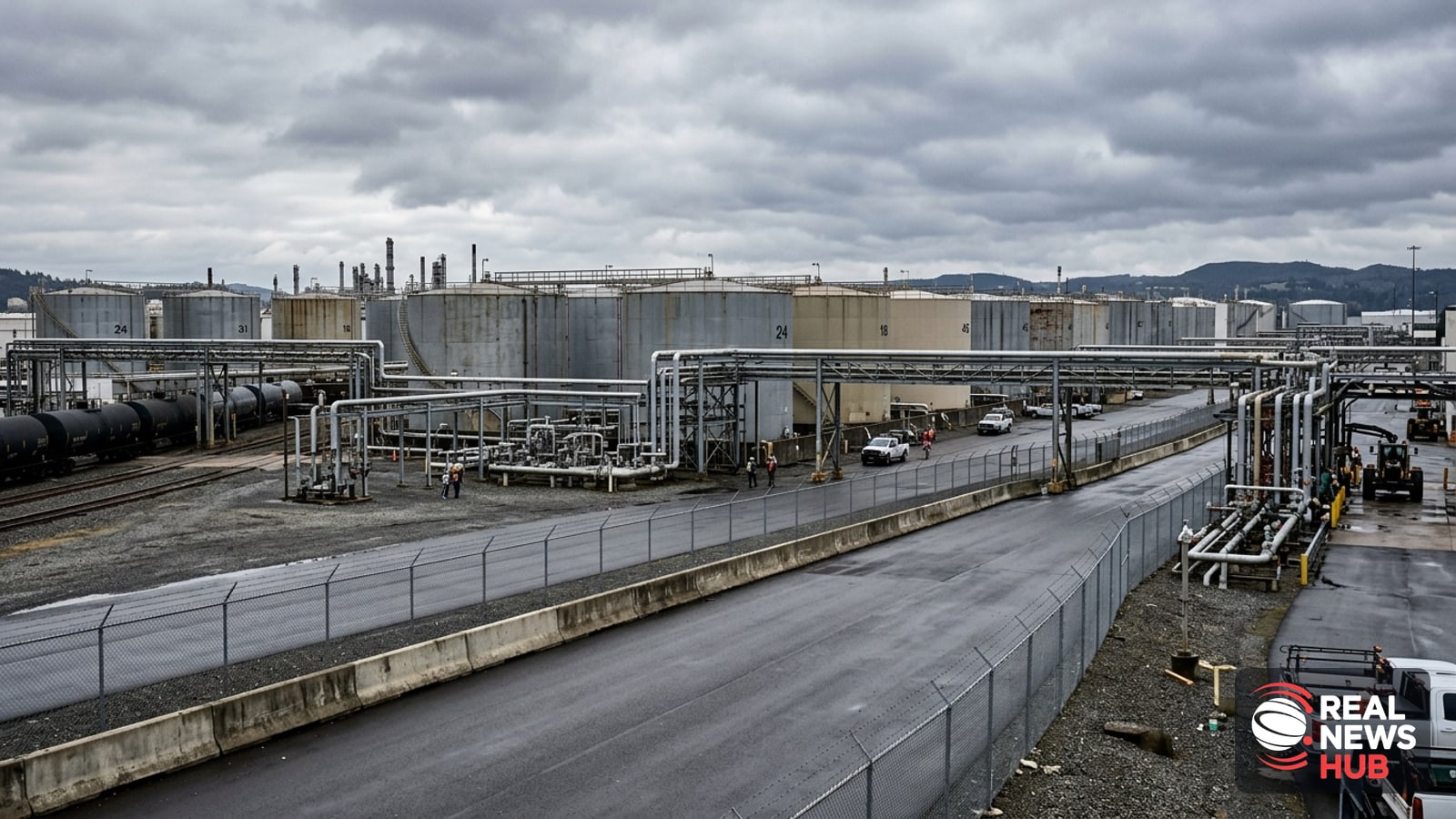
The Group of Seven nations has committed to releasing 100 million barrels of crude oil and diesel from strategic reserves in an effort to stabilize skyrocketing global energy markets and prevent trade curbs.
Under the plan coordinated through the International Energy Agency, the emergency distribution begins immediately and will continue over the next four months. Leaders confirmed that a significant portion of diesel will be frontloaded within the initial 20 days. The agreement also establishes that members of the bloc will refrain from imposing energy export bans on one another, easing tensions after Washington raised the prospect of halting American diesel shipments abroad.
The G7 consists of the United States, the United Kingdom, Canada, France, Germany, Italy, and Japan, alongside representation from the European Union.
The decision followed warnings from US President Donald Trump, who had signaled he could cut off foreign sales of American diesel unless European partners dipped into their own fuel stockpiles. Such an export restriction would have protected American consumers from surging fuel costs ahead of November elections, but threatened severe shortages elsewhere. Following the accord, Trump confirmed the export limitation was off the table, praising European allies on social media and at the White House for releasing fuel to the international market.
French President Emmanuel Macron, who chaired the G7 discussions, said the joint intervention aims to curb the rapid rise of petroleum product costs, specifically diesel. British Foreign Secretary Ed Miliband stated the collective release would help shield consumers and companies from volatile price spikes while reinforcing global supply networks.
Global fuel supplies have tightened dramatically due to escalating conflict across the Middle East, alongside earlier refinery strikes and subsequent export restrictions in Russia. Brent crude was trading near $73 a barrel before military operations involving the US, Israel, and Iran, subsequently surging above $100 per barrel. Prices briefly retreated below that threshold following the G7 announcement before edging back up toward $102 amid reports of renewed hostilities involving Saudi Arabia and Houthi fighters in Yemen.
Beyond releasing stockpiles, G7 governments agreed to align refinery maintenance timetables to prevent multiple facilities from halting operations simultaneously, while urging operators to boost diesel production where feasible.
The compromise averts immediate disruption for nations heavily dependent on American energy products. The US produces up to five million barrels of diesel daily, exporting as much as 1.5 million barrels of that total. Countries such as Britain rely on imports for more than half of their diesel needs, with nearly a third of those shipments arriving from American suppliers. In the UK, pump prices reached two pounds per liter on Friday, highlighting the economic pressure on key sectors like agriculture and transport.
Source & verification
VerifiedReported from Business.
Get breaking news alerts and the Morning Briefing
Verified stories in your inbox, every one linked to its sources. All newsletters →