

As the US midterms approach, Trump’s boasts on the economy fall flat with voters
Trump’s tariffs and his war against Iran caused prices to rise, but the US president continues to claim it’s ‘the greatest economy in history’ Sign up for The Stakes 2026: your weekly guide to the US midterms Donald Trump has taken to repeating a familiar boast: “We have the greatest economy in history,” Trump said recently at a White House press gaggle. The boast comes even though inflation is higher and economic growth lower than when Joe Biden left office, even though gas prices have jumped about 50% since the war against Iran started, and even though 73% of Americans think the economy is in fair or poor shape (48% say it’s in poor shape). What’s more, the Federal Reserve is so worried about inflation that it just raised interest rates. “It’s bluster, it’s gaslighting for him to say the economy is the greatest ever,” said Darrick Hamilton, chief economist for the AFL-CIO, the nation’s main union federation. “The economy is trending down by many measures. A lot of that has been caused by Trump’s unforced errors.” Continue reading...
REALNEWS HUB Newsroom
Sep 28, 2026, 20:42 UTC
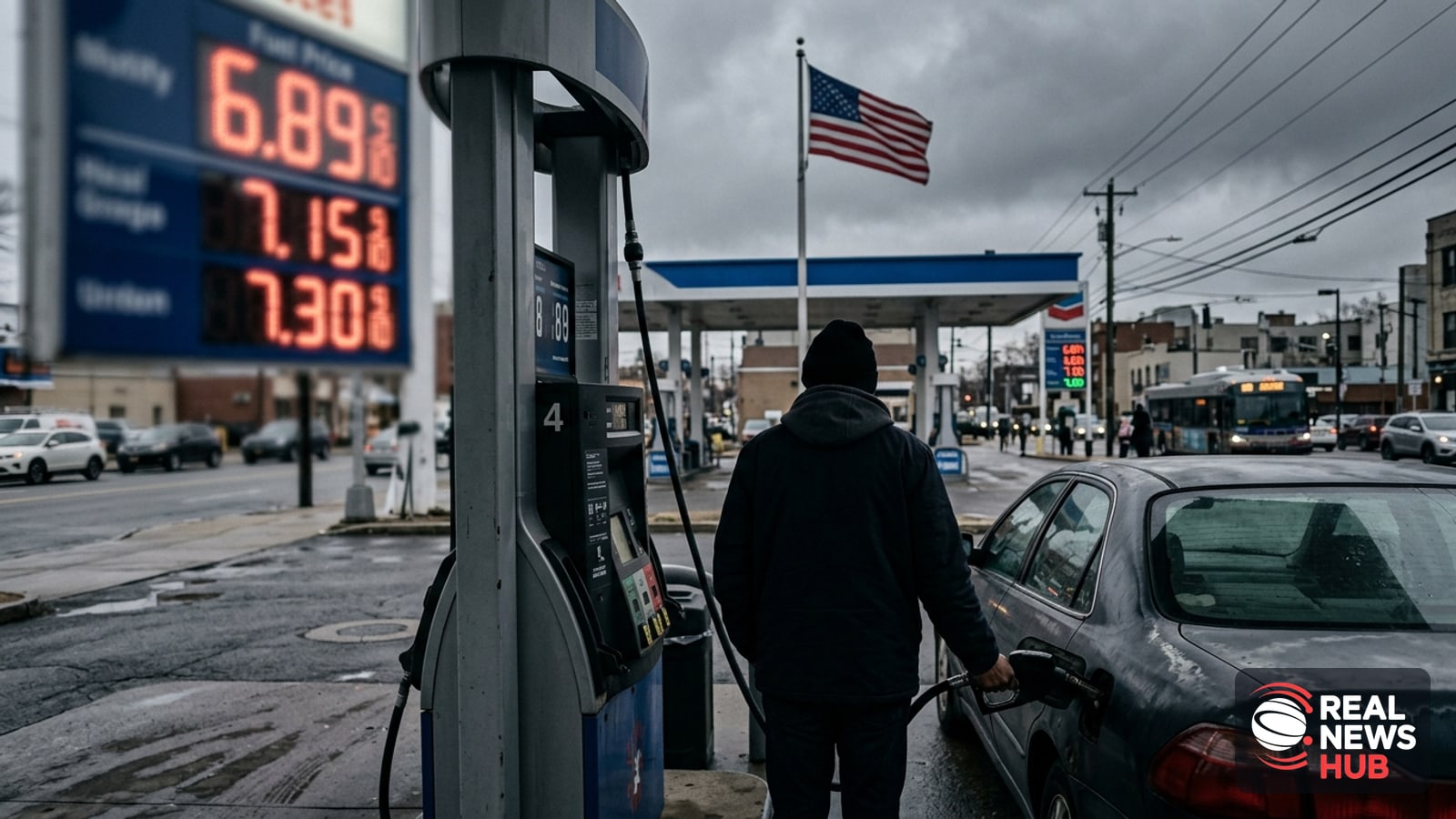
President Donald Trump has been repeating a familiar claim in recent weeks, telling reporters at a White House press gathering that the country has “the greatest economy in history.” But economic data and public opinion polls suggest many Americans and independent analysts see it differently, according to the Guardian.
Inflation has climbed to 3.4%, up from 3.0% when Joe Biden left office, and gross domestic product grew at a modest 1.5% annual pace in the second quarter, slower than the 2.7% rate recorded in Biden's final six months. Gas prices have risen roughly 50% since the conflict with Iran began, and the Federal Reserve recently raised interest rates out of concern over persistent inflation, the Guardian reported.
Public sentiment reflects that unease. A Guardian review of polling found that 73% of Americans describe the economy as being in fair or poor condition, with 48% calling it poor outright. A New York Times/Siena poll cited by the Guardian found 71% of voters disapprove of Trump's handling of living costs, while a University of Michigan survey showed consumer confidence dropping in September to its second-lowest reading in the poll's 74-year history.
Darrick Hamilton, chief economist for the AFL-CIO labor federation, was blunt in his assessment, telling the Guardian that Trump's description of the economy amounts to "bluster" and "gaslighting." Hamilton attributed much of the downturn to what he called self-inflicted damage from the administration's tariffs and the military action against Iran, both of which have contributed to rising prices that are outpacing wage growth.
Government data cited by the Guardian shows steep increases in everyday costs over the past year, including a 52% jump in fuel oil, along with higher prices for ground beef, seafood, coffee, sugar and electricity. The White House has pointed to a 23% drop in egg prices as evidence of progress, even as average gasoline prices have climbed to around $4.47 a gallon nationwide.
White House spokesman Kush Desai defended the administration's record, telling the Guardian that Trump has been upfront about short-term disruptions tied to the Iran conflict while staying focused on long-term economic goals. Desai pointed to continued private-sector hiring and strong investment activity, along with recent inflation reports showing month-over-month price declines in beef, prescription drugs and auto insurance.
The labor market presents a mixed picture. Unemployment stands at 4.1%, similar to levels seen under Biden, though historically lower than rates achieved under several past presidents. Job growth has slowed considerably, averaging about 43,000 positions a month during Trump's current term, far below the 145,000 monthly average of Biden's final two years, according to the Guardian's reporting. Manufacturing employment has also declined by 35,000 jobs despite tariffs intended to boost domestic industry, though last month saw a stronger gain of 162,000 jobs overall.
Not all economists share the pessimistic outlook. Michael Strain of the American Enterprise Institute told the Guardian the broader economy remains resilient despite high energy costs and trade tensions, citing low unemployment and robust investment spending, though he acknowledged inflation continues to erode household purchasing power.
Lindsay Owens of the progressive Groundwork Collaborative offered a starker view, telling the Guardian that Trump's once-strong approval on economic issues has collapsed, with a Marquette Law School poll showing just 28% approval overall. She argued that much of the economy's apparent strength is being propped up by heavy investment in artificial intelligence and spending from wealthy households, a foundation she described as fragile given growing skepticism about AI investments on Wall Street and in local communities.
Source & verification
DevelopingReported from Guardian US Midterms 2026.